I used to ignore temperature. Then a “perfect” long CD test drifted overnight and taught me a lesson.
Temperature changes latex stiffness, creep rate, and sealing behaviour, which can quietly bias long-duration triaxial data—especially volume change, pore pressure stability, and time-dependent deformation.
Here’s how I think about it now.
How Temperature Influences Latex Membrane Elasticity and Strength
Latex behaves a bit like chewing gum: warmer means softer and stretchier, cooler means stiffer and less forgiving.
Higher temperature usually increases latex elasticity and creep; lower temperature increases stiffness but can reduce flexibility and raise tear risk during mounting.
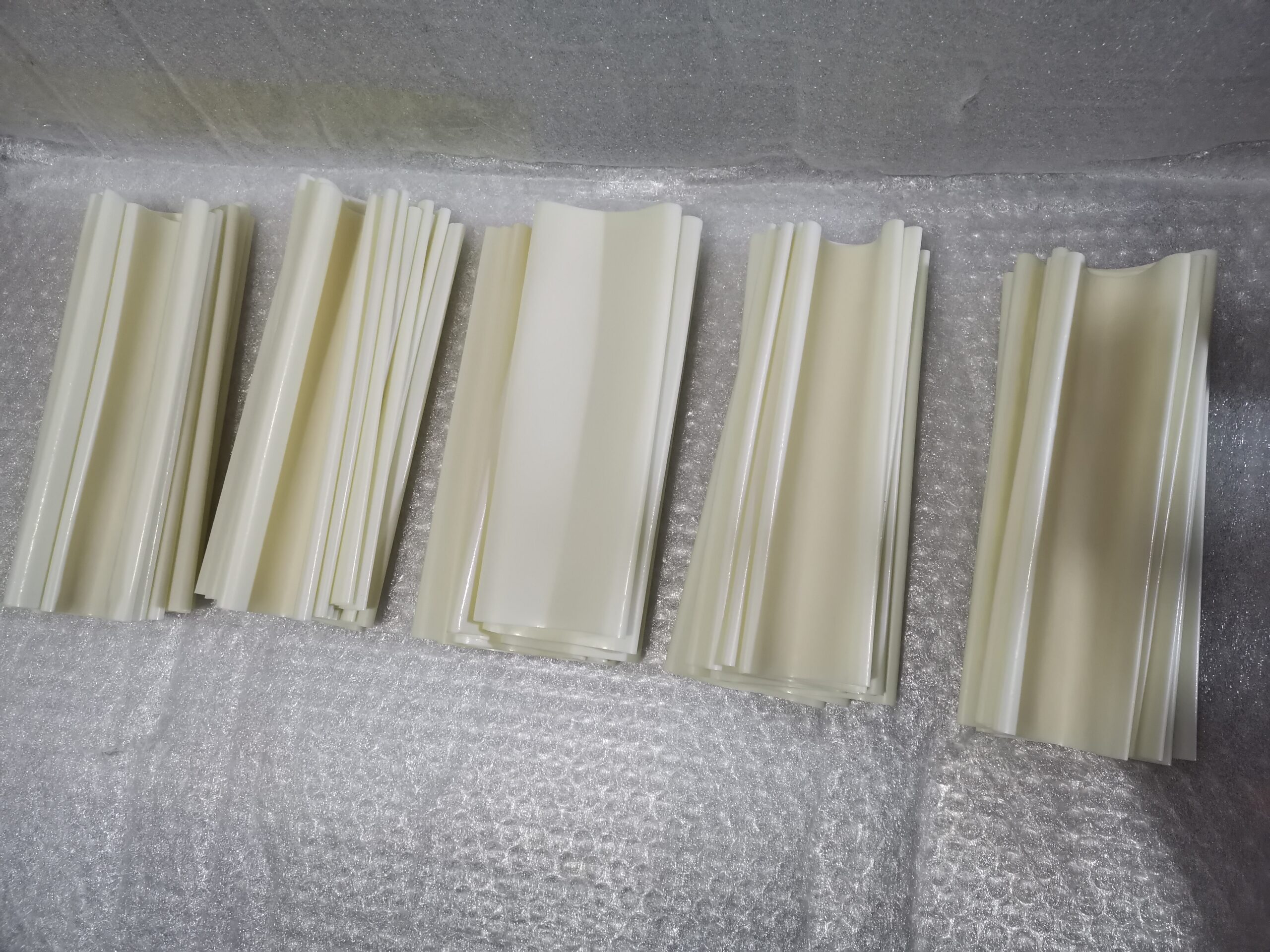
In long tests, the membrane isn’t just sitting there. It’s under constant tension from cell pressure, and it’s also reacting to the room. When temperature rises, latex generally becomes softer and more compliant. That sounds nice—easy mounting, fewer wrinkles—but it also means the membrane can creep more under constant stress. Over hours or days, that slow stretch can look like “specimen deformation” if you’re reading volume change or displacement tightly.
When temperature drops, latex stiffens. That can reduce creep, but it makes the membrane less forgiving. If you mount at a low room temperature, a membrane that normally slides smoothly may feel “tight,” and a small burr or sharp edge is more likely to nick it. I’ve also seen colder conditions increase the chance of micro-wrinkles that don’t relax, especially when the ID fit isn’t perfect.
The sneaky part is temperature cycling. A lab that warms up during the day and cools at night can produce a rhythm in the volume-change curve. You’ll see it as gentle waves—like the specimen is breathing. Many times, it’s not the soil at all. It’s latex + plumbing responding to temperature.
That’s why, for long-duration tests, I always log temperature along with time, σ₃ steps, and controller readings. It turns confusing drift into a pattern you can explain. My tiny reminder card lives here: temperature log checklist.
| Temperature condition | What latex tends to do | Practical impact |
|---|---|---|
| Warmer | Softer, more creep | Drift in volume / displacement |
| Cooler | Stiffer, less creep | Higher tear risk during mounting |
| Cycling | Expands/contracts over time | “Breathing” artifacts in curves |
Membrane Behaviour in Long-Duration Triaxial Tests: Creep and Degradation
In long tests, time becomes a load. Latex responds slowly, and sometimes it ages while you watch.
Under constant confining pressure, latex can creep; over long durations it may also degrade due to heat, oxygen, and chemical exposure, increasing leak risk and biasing time-dependent readings.
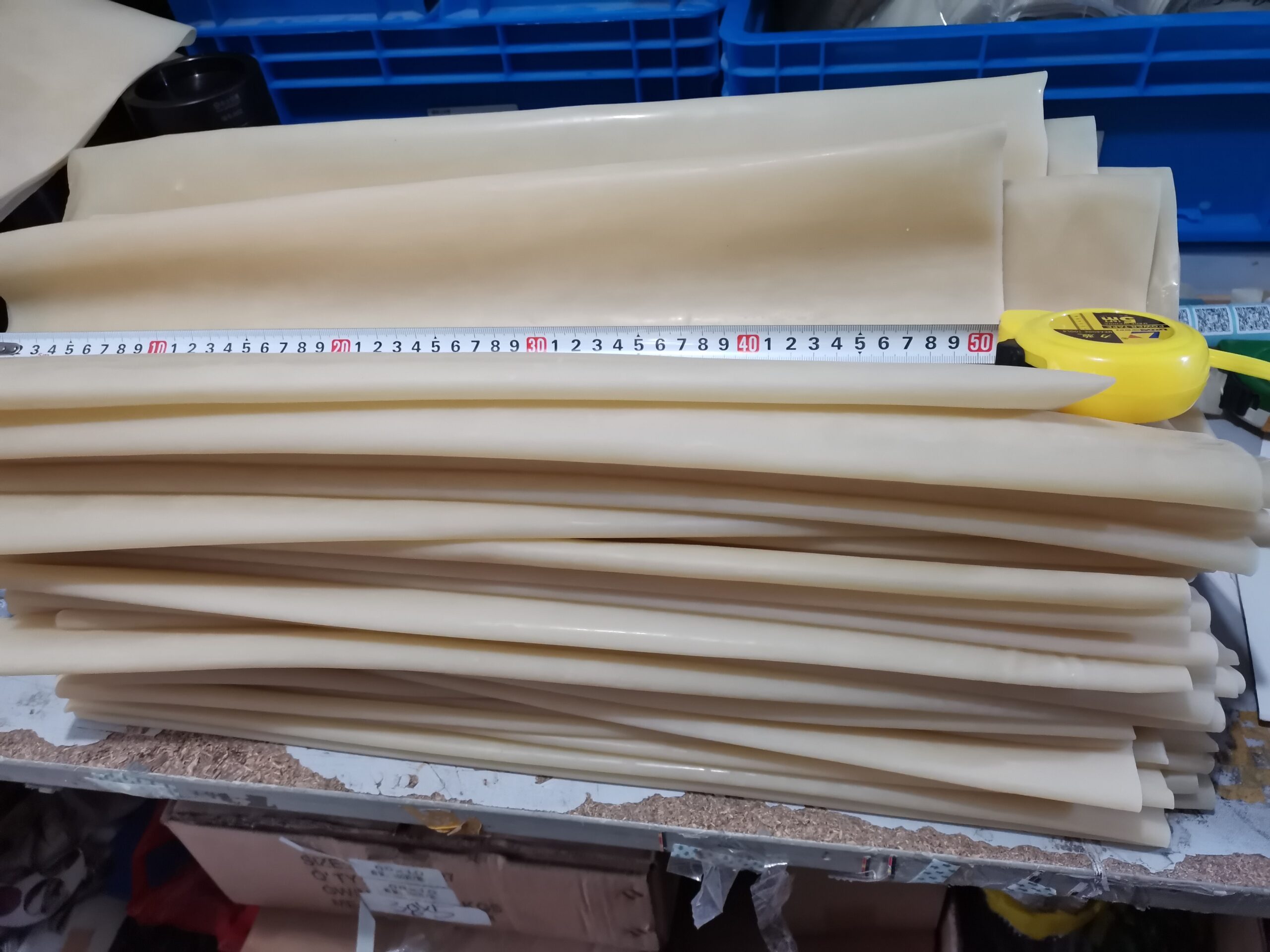
I’ll never forget a multi-day consolidation stage where the volume curve kept drifting even after pore pressure looked stable. At first we blamed the soil. Then we ran a dummy-cylinder baseline with the same membrane and plumbing. The drift was still there. That’s when I stopped pretending membranes are “perfectly elastic.”
Creep is the big one. Latex under tension stretches slowly. In CU/CD tests that run for many hours, that stretch can shift how the membrane seats at the ends, slightly changing friction conditions. It can also change the apparent specimen radius by a hair—enough to affect calculated stresses if you’re doing high-precision work.
Then there’s degradation. Temperature speeds it up. Add oxygen exposure, ozone in the room, UV light near windows, or chemicals in pore fluid, and you can see membranes become less resilient. This shows up as:
- a rising chance of micro-leaks,
- more sensitivity to tiny scratches,
- surfaces that feel tackier or, in contrast, slightly brittle.
The worst moment is when degradation shows up late—near the end of a long test—because you can’t “rewind” time. That’s why specialists often choose a slightly thicker wall or a more resistant option (like chlorinated latex) for long-duration, high-pressure programs, especially with sandy specimens.
If you want to separate soil behaviour from membrane behaviour, I recommend a short baseline run: dummy cylinder + same membrane + same temperature window. Notes here: baseline drift method.
| Long-duration issue | What you may see | What it might really be |
|---|---|---|
| Slow volume drift | Noisy v–t slope | Membrane creep + thermal expansion |
| Late B-value drop | Saturation “mystery” | Micro-leak from aging |
| Step-change hysteresis | Curves don’t return | Seating change at ends |
Risks of Temperature-Induced Errors in Soil Testing Results
Temperature errors are dangerous because they look like “real soil behaviour.”
Temperature-driven membrane creep and expansion can bias volume change, stiffness, effective stress paths, and even derived parameters (c′, φ′) if not controlled or corrected.
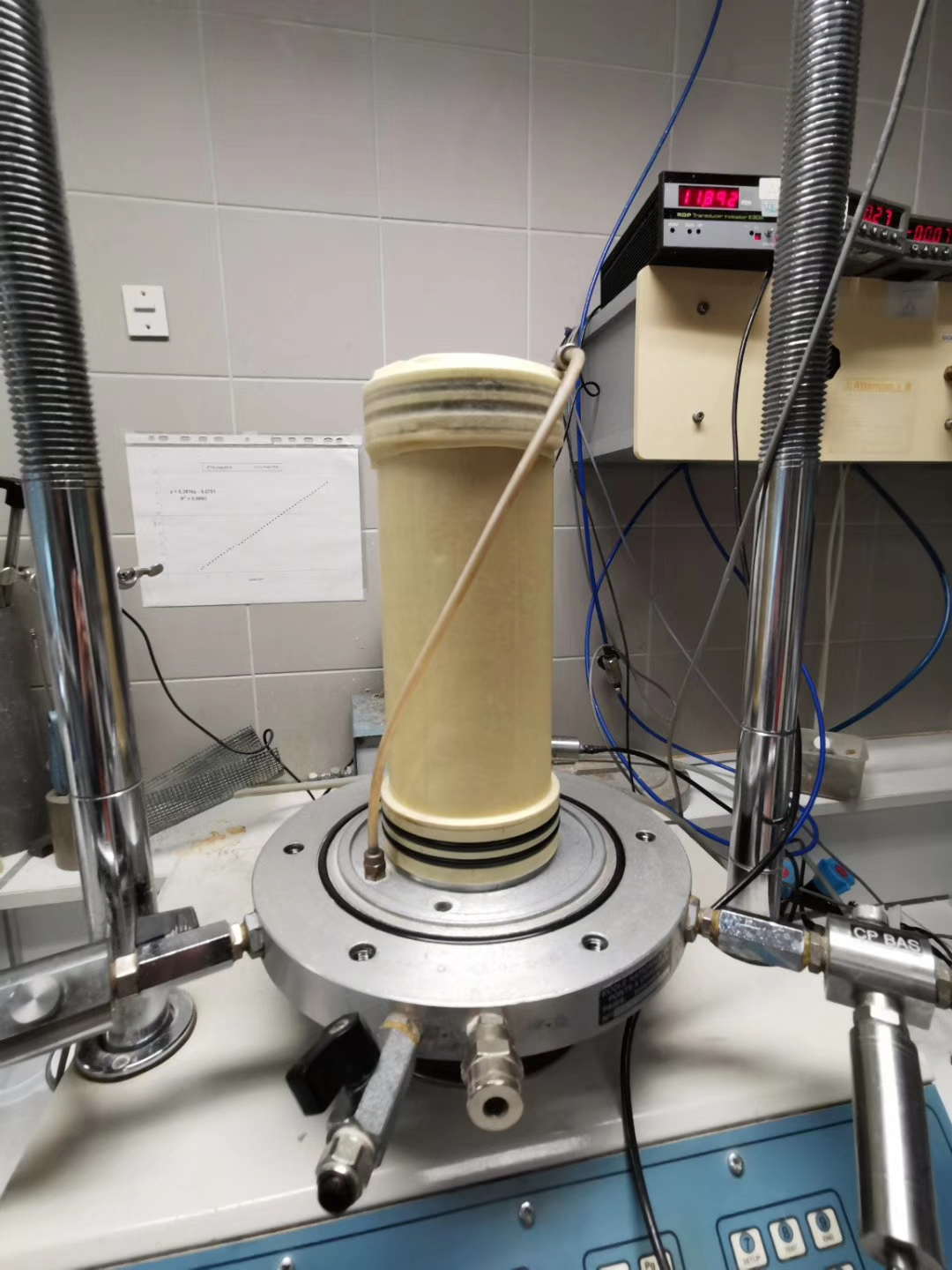
Here’s what scares me: temperature effects rarely announce themselves. They show up as believable trends. In CD tests, you might see gradual compression and think “creep settlement.” In CU tests, you might see pore pressure drift and think “drainage leakage in the soil.” And sometimes, yes, it is the soil. But if the lab temperature is swinging, the membrane and the fluid system can be the hidden driver.
Common result-level risks:
- Volume change bias (CD): thermal expansion of water + membrane creep can exaggerate contraction.
- Stiffness shifts: latex stiffness changes with temperature, slightly shifting early q–ε slopes.
- Effective stress path distortion (CU): leaks or compliance changes can nudge u-excess trends.
- False dilation/compaction “waves”: day-night cycles look like soil “breathing.”
I’ve seen people over-interpret these signals and make confident design decisions—then get confused when field behaviour doesn’t match. The fix is not complicated: keep temperature stable, log it, and run a baseline check. If your controller supports it, enable temperature compensation. If not, at least capture temperature every 10–15 minutes during long holds.
A useful habit: before trusting a long-duration curve, I ask, “Does this drift correlate with temperature?” If yes, I treat it as a system effect until proven otherwise. My correlation cheat sheet: drift diagnosis.
| Data symptom | Easy-to-miss cause | Quick verification |
|---|---|---|
| Smooth overnight drift | Room cooled | Compare to temp log |
| Wavy volume curve | HVAC cycling | Overlay v–t and T–t |
| Late leak signals | Aged membrane | Bubble test after run |
Best Practices for Temperature Control and Membrane Selection
Control temperature first. Then choose membranes that match duration, σ₃, and fluid conditions.
Maintain stable room and cell temperature, log continuously, run baseline dummy checks, and choose membrane thickness/material to balance creep resistance and sealing reliability.
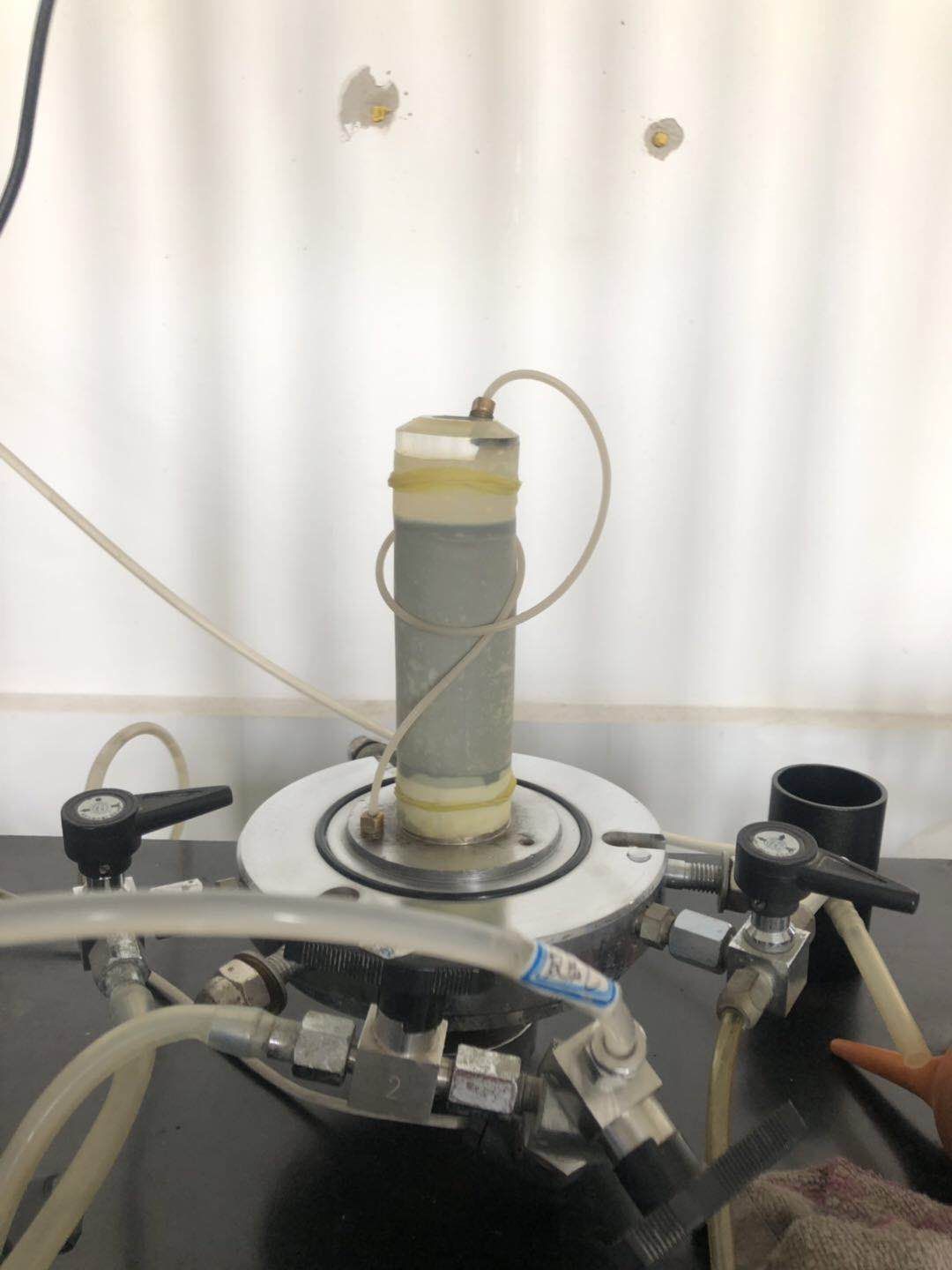
If I could give one simple rule: stability beats correction. It’s easier to prevent thermal drift than to explain it later. For long-duration tests, I do four things:
1) Stabilise the environment
Keep the test frame away from direct sunlight, doors, and aggressive AC vents. If possible, run in a temperature-controlled room. Even a 2–3°C daily swing can show up in long CD curves.
2) Log temperature like it’s a sensor
I log lab temperature and, when available, cell fluid temperature. I add it to the same chart as volume and pore pressure. It’s amazing how often “mystery drift” becomes obvious.
3) Baseline the system
Run a dummy cylinder with the membrane and plumbing for a short hold at the same σ₃. This gives you a drift fingerprint you can subtract or at least compare: dummy baseline SOP.
4) Select membranes for duration
For short CU tests on clay, I’ll happily use thin latex for fidelity. For long holds, high σ₃, or abrasive sands, I lean toward medium thickness, sometimes a more resistant surface option (like chlorinated latex). I also like transparent membranes for long tests because I can catch bubbles and wrinkles before they become late-stage problems.
| Situation | My membrane choice | Why |
|---|---|---|
| Long CD on clay | Thin–medium, smooth/transparent | Volume fidelity + visual check |
| Long CU with high σ₃ | Medium wall | Lower creep risk, better sealing |
| Long tests on angular sand | Medium–thick or resistant surface | Fewer pinholes over time |
| Temperature-cycling lab | More robust wall + strict logging | Reduces sensitivity |
Conclusion
In long tests, temperature is a hidden load—control it, log it, and choose membranes that stay stable for hours, not minutes.