
Excellent
4.8
Our product
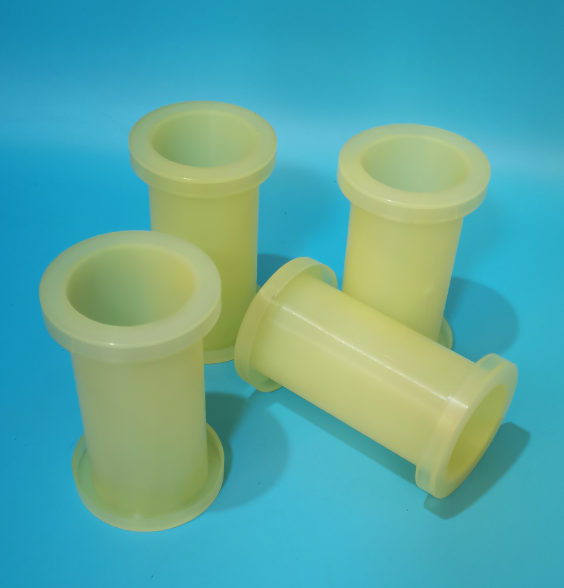
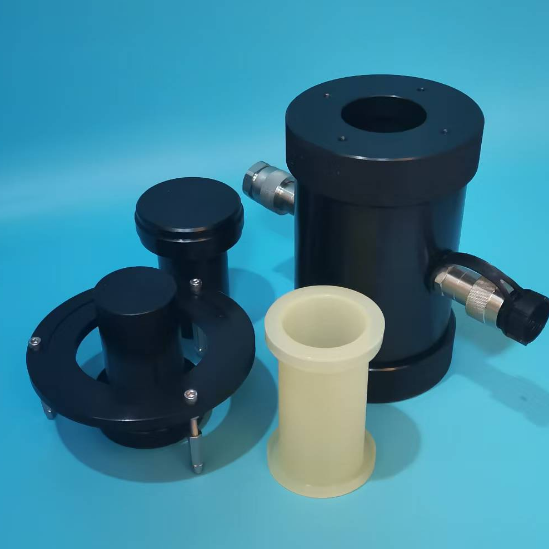
Hoek Cell Membrane
Hoek Cell membranes are used in laboratory systems designed according to international rock testing standards, including:
- ASTM D7012.
- ISRM Suggested Methods.
- ISO 17892.
These standards are commonly followed in rock triaxial compression and confining pressure tests.
Core Diameter (inch)
56 mm
130 mm
Thickness 2.0-2.5mm
Typical Applications Hoek Cell membranes are mainly used for:
Rock triaxial compression testing Confining pressure testing of rock cores Elastic modulus measurement of rock specimens Laboratory research in rock mechanics and geotechnical engineering
Compatibility These membranes are compatible with Hoek-type triaxial pressure cells used in rock mechanics laboratories, including systems supplied by major testing equipment manufacturers. Typical compatible equipment includes: Hoek Triaxial Cells Rock Triaxial Compression Systems Laboratory Rock Mechanics Testing Frames
All membranes are manufactured under strict quality control procedures to ensure: Consistent thickness Uniform elasticity Reliable sealing during testing Each batch is inspected to ensure the membrane performs reliably under laboratory confining pressures.
Custom membranes can be produced according to customer drawings or sample specifications. Available options include: Custom diameter Custom length Different thickness levels Special material formulations This allows the membrane to match specific Hoek Cell pressure chamber designs used in different laboratories.
Professional manufacturing experience in geotechnical testing membranes Support for custom laboratory equipment sizes Stable quality suitable for research laboratories and universities Global supply to Europe, North America, and research institutions
Common Questions
Most Popular Questions
Thickness and Diameter Options: We offer latex membranes in various thicknesses, including 0.3mm,0.635mm,1.0mm,2.0mm,3mm and more , with diameters ranging from 1.4 inches to 6 inches, suited for different specimen sizes in triaxial and permeability tests..
Our membranes are designed to meet ASTM standards, specifically ASTM D2850 and D4767, ensuring they are suitable for professional soil testing requirements.
Yes, we can provide technical data sheets for review and offer samples upon request to verify quality..
We offer customization options, including different shapes, drainage holes, and specific dimensions. We collaborate closely with our design team to meet unique testing requirements.
Custom designs may require a minimum order quantity, depending on complexity, with pricing based on the specifics of the customization. Feel free to share details, and we’ll provide a tailored quote.
Our quality control includes rigorous inspection at multiple production stages, and we conduct performance tests to confirm durability, elasticity, and non-porosity..
We typically work with flexible payment terms for bulk orders and may offer discounts based on volume. Please inquire for specific terms that suit your purchasing requirements.
Standard orders are typically fulfilled within 1-2 weeks, while customized orders may take slightly longer depending on specifications.
In the rare event of a quality issue, we offer replacement or refund options based on the specifics of the case.
Our team is available to answer any questions post-purchase and provide support to ensure optimal product performance.
Need more help?
0086-18667416752
Send us a message
Latex vs Synthetic Membranes: The Future of High-Pressure Soil Testing
I hear this question a lot in labs: is latex still the best choice when pressure goes high? Latex offers unmatched elasticity and sealing, while
Announcing Howdy’s Extra-Large Latex Membrane: Built for Serious Testing
Today, I’m proud to share something our team has worked on for a long time: an extra-large, heavy-duty latex membrane with 600 mm diameter, 1500
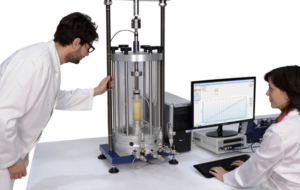
How Latex Membrane Thickness Affects Confining Pressure Accuracy in Triaxial Testing
I learned quickly: membrane thickness quietly skews confining pressure and the curves you trust. Latex membrane thickness adds radial restraint and tension, shifting effective confining
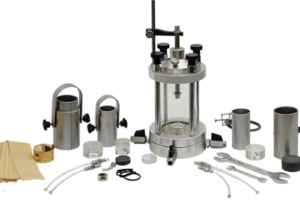
Membrane Mounting Tools: Tips for Efficient and Damage-Free Installation
Mounting tools can save your test—or ruin it—depending on how calmly you use them. Proper membrane mounting prevents leaks, tears, wrinkles, and false volume change,
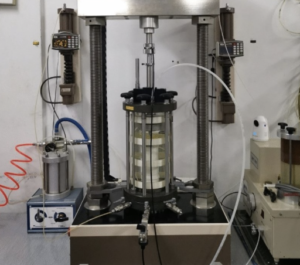
Common Membrane Failures and How Membrane Specialists Prevent Them
I’ve seen small membrane mistakes wreck a whole test day. The good news: most are preventable. Common failures come from bad fit, sharp hardware, over-stretch1ing,
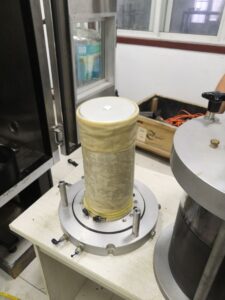
Comparing Standard vs Custom-Shaped Latex Membranes for Advanced Soil Testing
I’ve learned this the fun way: membrane shape1 quietly decides how clean your data looks. Standard membranes work for most tests, but custom shapes2 solve
