I hear this question a lot in labs: is latex still the best choice when pressure goes high?
Latex offers unmatched elasticity and sealing, while synthetic membranes can win on chemical resistance and long-life under harsh conditions. The “future” is likely a smart mix, not a full replacement.
Let’s compare them in plain English—like we’re chatting at the lab bench.
Material Properties Compared: Elasticity, Strength, and Durability
Materials behave like personalities—latex is flexible and forgiving; synthetics are often tougher and more stubborn.
Latex stretches easily and seals well; synthetics often resist chemicals and abrasion better but can be stiffer, less forgiving to mount, and more sensitive to fit.
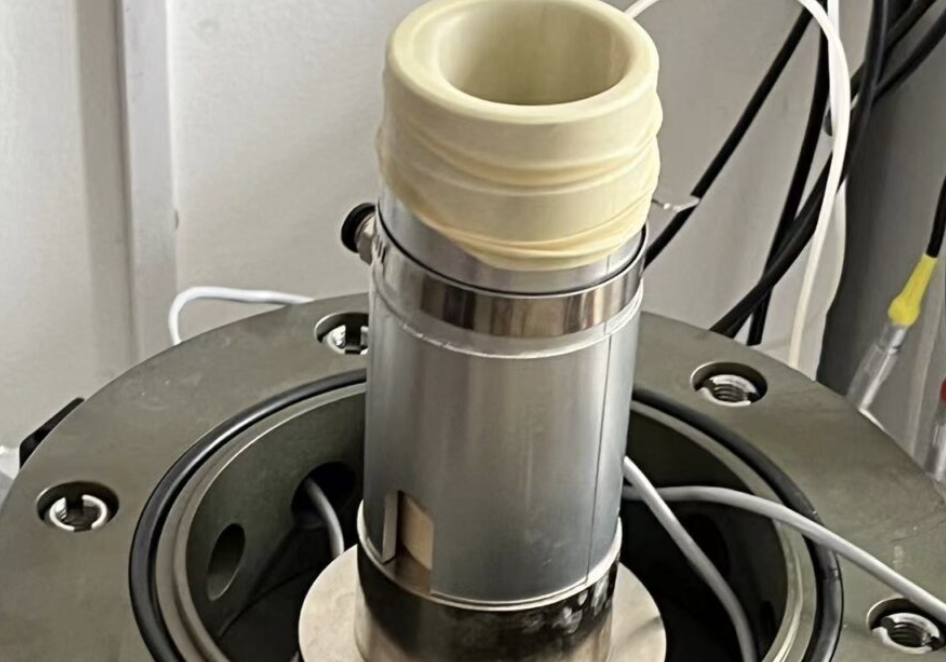
When I pick a membrane, I’m really picking a set of trade-offs. Latex is famous for one thing: elasticity. It stretches smoothly, seats easily, and hugs the specimen without needing extreme vacuum. That’s why so many labs still reach for latex first—especially in CU and CD tests where a clean, wrinkle-free mount protects pore-pressure and volume-change data. In day-to-day work, latex feels like the friend who helps you move house without complaining.
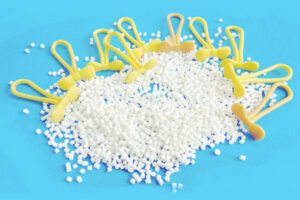
But synthetics have their own strengths. Depending on the polymer (think nitrile, silicone, polyurethane, or specialized blends), you can get better chemical resistance, better tolerance to oils or oxidizers, and sometimes better resistance to abrasion from angular sands. That matters if your pore fluid is aggressive, your stones are rough, or your specimens have sharp grains that love to poke tiny holes.
The catch? Many synthetics are stiffer than latex. Stiffness can increase radial restraint and slightly bias stress–strain curves, especially at higher pressures. Some synthetics also don’t “relax” into place as nicely, so mounting can be slower and folds are harder to smooth out. That’s why I always say: the best material is the one that gives you repeatable, believable curves with the lowest risk of leaks.
If you want a simple takeaway: latex usually wins for mountability and sealing; synthetics often win for harsh fluids and abrasion. My selection notes live here: material cheat sheet.
| Property | Latex Membrane | Synthetic Membrane (general) |
|---|---|---|
| Elasticity | Very high | Medium to high (depends on type) |
| Sealing ease | Excellent | Good to variable |
| Abrasion resistance | Medium | Medium to high |
| Chemical resistance | Medium | Often higher |
| Mounting difficulty | Low | Medium to high |
Performance Under High Confining Pressure: Which Membrane Performs Better?
High σ₃ magnifies small problems: bulging, micro-leaks, and restraint bias.
At high confining pressure, latex can still perform extremely well if thickness and fit are right; synthetics may offer better puncture resistance, but stiffness can introduce more restraint bias.
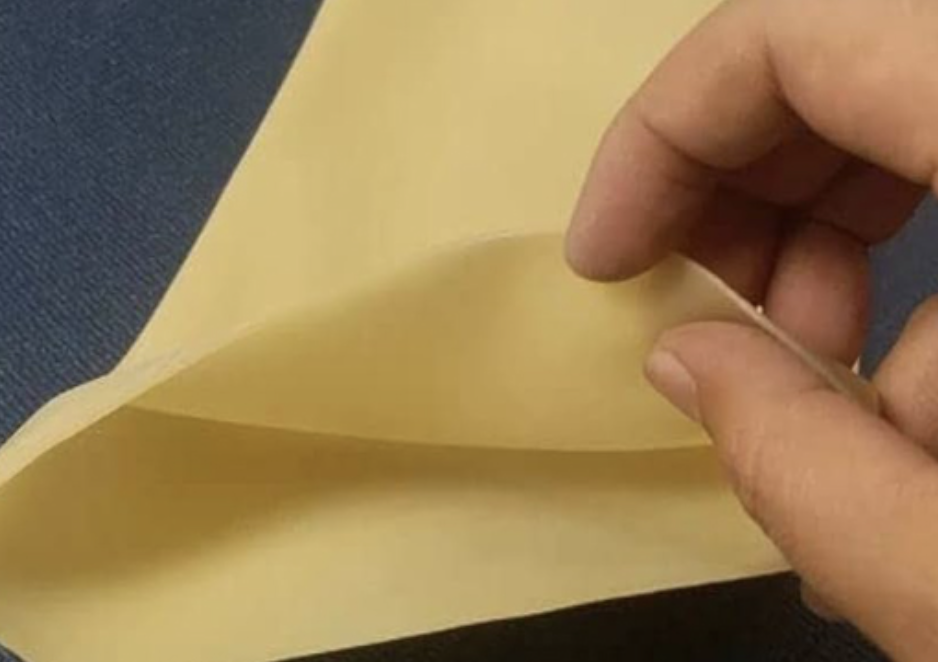
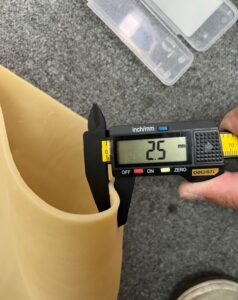
When confining pressure climbs, the membrane stops being “just a sleeve” and becomes a real mechanical participant. With latex, the key is choosing the right thickness and ID fit. Too thin, and you risk mid-height bulging or tiny tears. Too thick, and you add extra hoop stiffness that can inflate apparent strength or mute dilation. The sweet spot depends on specimen diameter and particle angularity. For sands at high σ₃, I often step up to medium-thick latex, sometimes chlorinated for abrasion resistance.
Synthetics can shine here because some are simply harder to puncture. If your specimen has sharp grains, or your lab has a history of “mystery pinholes,” a synthetic option can reduce failures. But there’s a common hidden cost: stiffness. Under the same σ₃, a stiffer membrane may resist radial strain more, which can slightly shift the effective stress path and change the shape of the q–ε curve. In research where small differences matter, that bias is not trivial.
So what performs “better”? It depends on what you value:
- If you value clean pore-pressure behavior and easy mounting, latex often wins.
- If you value puncture resistance in harsh granular tests, a suitable synthetic can win.
- If you value repeatability, the winner is whichever material you can size and mount consistently with your hardware.
I always recommend a simple trial: run two identical dummy mounts under target σ₃ and compare leakage, bulging, and controller drift: high-σ₃ trial method.
| High-pressure risk | Latex approach | Synthetic approach |
|---|---|---|
| Bulging | Increase thickness, improve fit | Often naturally lower |
| Pinholes | Cleaner stones, thicker wall | Better abrasion resistance |
| Restraint bias | Avoid overly thick walls | Watch stiffness effects |
| Mounting time | Usually faster | Often slower |
Cost, Longevity, and Lab Efficiency Considerations
The cheapest membrane is often the one that avoids reruns.
Latex usually costs less and mounts faster; synthetics may last longer in harsh conditions but can cost more and take more time to install correctly.
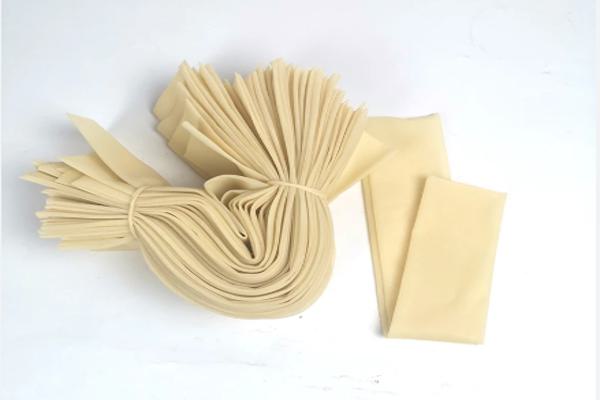
I don’t judge cost by unit price. I judge by cost per valid test. If a membrane saves $2 but causes one failed saturation, one low B-value, or one leak at 10% strain, it becomes very expensive very quickly. Latex membranes usually score well here because they’re easy to mount, forgiving, and widely standardized. That means less technician time and fewer “why is the curve weird?” meetings.
Synthetics can win in specific environments—especially where latex ages faster due to chemicals, oxidizers, or abrasive specimens. In those cases, longer service life can reduce inventory waste and emergency ordering. But I’ve also seen synthetics slow the workflow because mounting takes longer, folds don’t relax, and sealing needs more care. For a busy lab, those minutes matter.
Here’s how I think about it:
- High throughput routine testing: latex usually maximizes efficiency.
- Harsh fluids or aggressive materials: synthetics can reduce failure rate.
- High σ₃ angular sands: either can work, but selection must be disciplined.
I also consider stock management. Latex is like fresh fruit: store cool and dark, rotate lots. Some synthetics are more stable on the shelf. If your lab struggles with storage control, synthetics can reduce surprise brittleness.
For a simple TCQ (Total Cost of Quality) worksheet, I use: TCQ template.
| Factor | Latex | Synthetic |
|---|---|---|
| Unit cost | Lower | Often higher |
| Mounting speed | Faster | Slower (often) |
| Shelf stability | Sensitive to heat/UV | Often better |
| Failure reruns | Low if fit is right | Low if stiffness is managed |
| Best use | Routine, pore-pressure work | Harsh fluids, abrasion-prone tests |
The Future of Triaxial Testing: Are Synthetic Membranes Replacing Latex?
Not fully. The direction feels like “right tool for the job,” not “one material rules all.”
Synthetic membranes are growing in niche high-pressure and harsh-chemistry use cases, but latex remains the baseline because it seals well, mounts easily, and supports repeatable UU/CU/CD testing.
If you ask me where this is going, I don’t see latex disappearing. Latex is simply too good at what most labs need: fast installation, reliable sealing, and consistent deformation behavior when thickness is chosen well. For university labs, commercial testing labs, and many research groups, latex stays the default because it’s practical.
But I do see synthetics expanding in specific places:
- Very high σ₃ programs with abrasive sands and long test durations.
- Non-water pore fluids or chemical environments that attack latex.
- Special rigs where membranes act as more than a sleeve (complex sleeves, collars, repeated cycling).
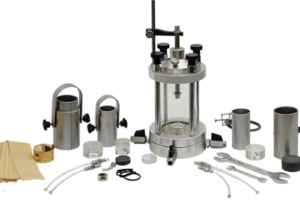
I also think the real “future” is not material alone—it’s standardization. Better wall tolerances, better sizing bands, transparent options for visual checks, and improved mounting tools matter as much as polymer choice. The labs that get the best results aren’t always using the fanciest membrane; they’re using a membrane that fits their apparatus and SOP perfectly.
At HOWDY, we’re watching this trend closely. We still focus on latex because it solves most of the world’s triaxial work, but we also keep pushing durability—thicker walls for high σ₃, transparent options for safer mounting checks, and custom shapes when geometry is complex: membrane options.
My honest conclusion: synthetics won’t “replace” latex everywhere. They’ll earn their place where latex struggles. And that’s a good thing for science.
Conclusion
Latex stays the workhorse; synthetics grow in harsh niches—the future is smarter selection, not one winner.