I’ve learned something after talking with breeders and equipment makers: if the liner feels “wrong,” the whole collection becomes harder.
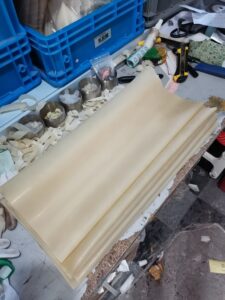
Latex membranes are ideal for artificial vagina (AV) devices because they’re soft, elastic, and reliable at sealing—helping create a comfortable, natural-feeling environment that supports consistent semen collection.
Let me explain it in a practical, field-friendly way.
Why Material Softness Matters in Livestock Semen Collection
Softness isn’t a “nice-to-have.” It directly affects comfort, acceptance, and consistency.
A softer membrane reduces friction and pressure spikes, helps animals stay calm, and lowers the chance of interruptions during collection—especially in equine and bovine programs.
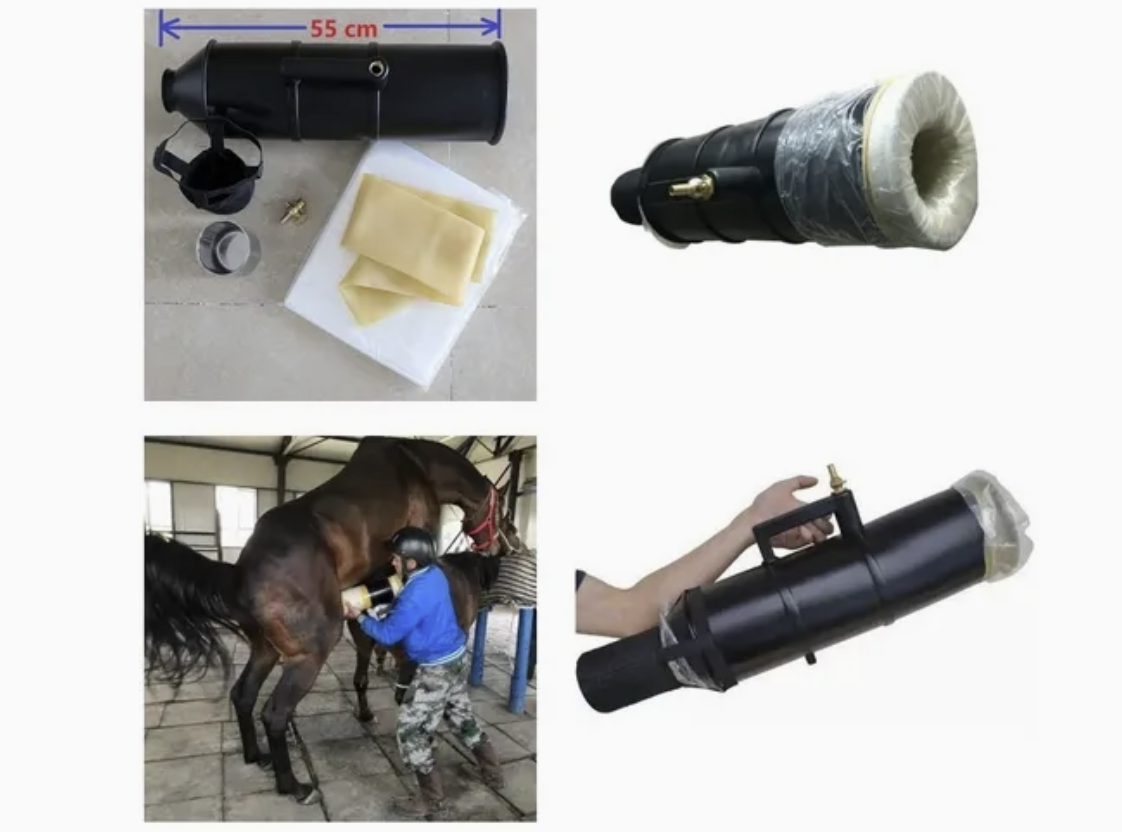
In semen collection, the animal is the decision-maker. If the device feels too stiff, too rough, or too cold, you’ll see it immediately: hesitation, movement, longer time to complete collection, or inconsistent output. That’s why I always start with softness when we talk about AV liners.
Latex has a natural “give” that many synthetic materials struggle to match. It doesn’t feel like a hard plastic sleeve. It feels more like a flexible skin—smooth, gentle, and responsive. This matters because pressure inside an AV is not perfectly constant. It changes with movement, temperature shifts, and handler technique. A membrane that is soft enough can smooth out those micro-changes, avoiding sharp pressure peaks that can cause discomfort.
Softness also affects hygiene and workflow. A smooth, soft surface can reduce abrasion, which helps lower contamination risk and makes cleaning and inspection easier. And when breeders can rely on consistent acceptance, the whole operation becomes less stressful—for the animal and for the team.
I like to say: a good liner is quiet. It doesn’t “announce itself.” It lets the process happen naturally. For a quick buyer checklist I often share, see: softness selection notes.
| Softness factor | What it improves | What it prevents |
|---|---|---|
| Smooth touch | Comfort and acceptance | Stress and refusal |
| Low friction | Consistent motion | Irritation and abrasion |
| Pressure buffering | Stable collection | Sudden discomfort |
How Latex Membranes Help Create a More Natural Collection Environment
The goal is not just sealing. It’s recreating the right feeling—temperature, pressure, and contact.
Latex supports a natural collection environment by maintaining stable pressure, sealing warm water/air systems, and providing a skin-like surface that feels more familiar to the animal.
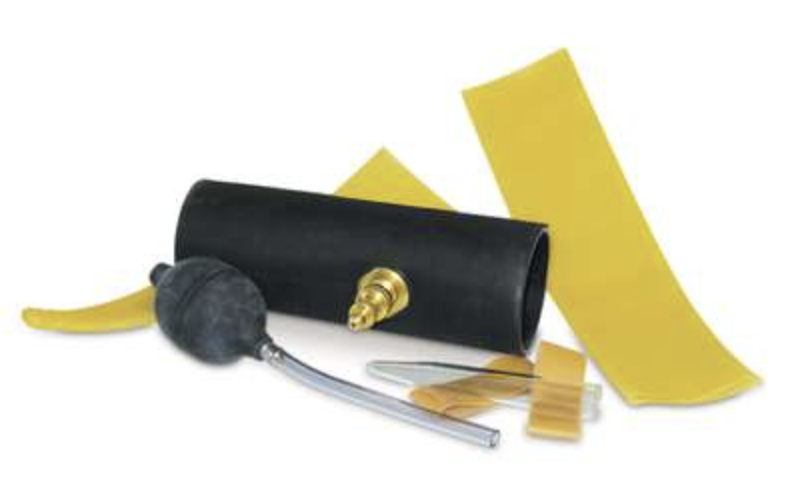
A good AV device is basically a controlled environment: warmth, pressure, and comfort. Latex helps on all three.
First, sealing. Many AV designs rely on warm water or air to create the right internal condition. If the liner leaks, temperature drops and pressure becomes unstable. That’s when the device stops feeling “right.” Latex membranes have strong sealing behavior when the size and thickness are matched correctly. They hold the system steady, so the internal environment doesn’t fluctuate every minute.
Second, temperature compatibility. Latex can remain flexible in the warm range AV devices typically use. It doesn’t suddenly turn rigid during normal use. That stable flexibility helps the animal feel consistent contact through the whole collection, which improves acceptance.
Third, the natural feel. This part is hard to express with numbers, but breeders understand it instantly. Latex has a soft, elastic “skin-like” touch. It reduces harsh friction and supports smoother movement. When the experience feels closer to natural conditions, animals tend to stay calmer—and calm is the real productivity tool in breeding.
This is also why surface quality matters so much. Pinholes, rough spots, or uneven areas can create discomfort and increase cleaning difficulty. A clean, uniform latex surface makes the environment more predictable and hygienic.
If you want a simple way to describe what “natural” means in AV collection, I use this phrase: stable warmth + stable pressure + soft contact. That’s what latex supports best: environment checklist.
Why Elastic Recovery Improves Device Fit and Repeated Use
Elasticity is good. Elastic recovery is better. It decides how long the liner stays reliable.
Latex elastic recovery allows the membrane to stretch during use and return close to its original shape, helping maintain fit, sealing stability, and consistent performance across repeated cycles.
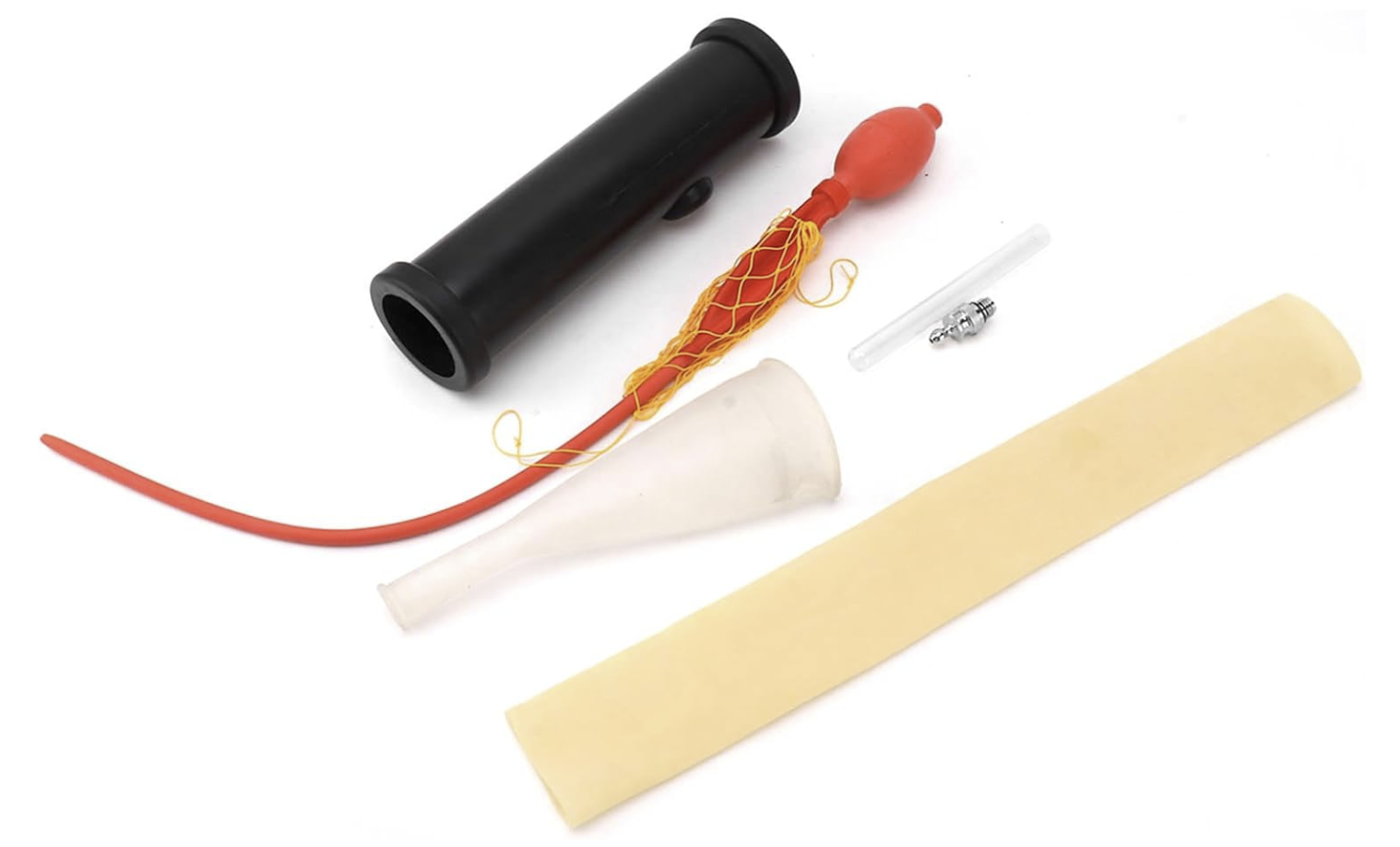
A liner that stretches but doesn’t recover is like a rubber band that’s lost its spirit. It might work once or twice, then it becomes loose, deformed, and unreliable. In real breeding operations, devices are installed, removed, cleaned, and reused again and again. That’s why elastic recovery matters more than just “stretchability.”
Latex is strong here. When produced with stable material control and proper curing, latex membranes can stretch under pressure and then rebound. That rebound helps:
- keep the membrane seated correctly inside the device,
- maintain consistent contact pressure,
- reduce leak risk over repeated use,
- and preserve the “feel” that animals are used to.
Elastic recovery also supports efficiency. If a membrane loses shape quickly, breeders spend more time adjusting, re-installing, or replacing liners. That adds cost and slows the workflow. With better recovery, the device behaves predictably. And predictable is what every breeding manager wants.
Of course, recovery depends on quality. Poor curing or unstable thickness can reduce recovery and shorten service life. That’s why thickness uniformity and surface quality are not “factory talk.” They are the hidden reasons why one liner lasts and another fails early.
A quick field check I’ve heard breeders use: after stretching, does the liner “snap back” smoothly without sticky feeling, cracks, or whitening? That simple observation often matches lab quality indicators.
For a simple durability guide, I keep this note: elastic recovery tips.
| Recovery level | What you’ll notice | Operational impact |
|---|---|---|
| Strong recovery | Returns smoothly | Stable fit and sealing |
| Weak recovery | Stays loose/deformed | More leaks and replacements |
| Unstable recovery | Feels brittle/tacky | Higher failure risk |
How Custom Latex Membranes Support Different Livestock Breeding Needs
One size never fits all—different species, devices, and workflows need different specs.
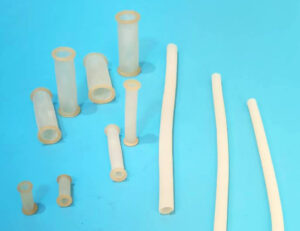
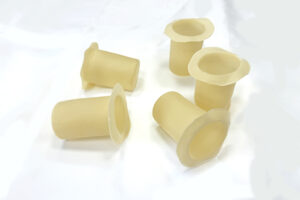
Custom latex membranes help match diameter, length, thickness, and surface finish to specific livestock species and AV device structures, improving comfort, sealing, and service life.
In breeding, “standard” is often only a starting point. Equine, bovine, ovine, and caprine programs all have different equipment designs and working habits. Even within the same species, device brands and internal chambers vary. That’s why custom membranes matter.
Customisation usually means getting the practical details right:
- Diameter to fit the AV housing without folds or excessive stretch
- Length to cover the working area with enough installation allowance
- Thickness to balance softness and tear resistance
- Surface finish to reduce friction and support hygiene
- Edge design to improve sealing and reduce leak risk
The benefit is not just “it fits.” The benefit is repeatability. A membrane that matches the device properly performs the same way each time. That consistency supports smoother collection, stable temperature/pressure control, and less downtime for adjustments.
In my work at HOWDY, I’ve seen custom membranes solve real problems: liners tearing at the edge, pressure not holding, or the feel being too stiff for certain programs. Most of the time, the fix is not complicated—it’s correct sizing, stable thickness, and controlled surface quality.
If you’re developing a new AV device or improving an existing one, custom membranes can be one of the fastest ways to improve user experience and collection stability without redesigning the whole device.
If you want, you can send me the device structure and target animal type, and I can suggest practical size and thickness options (B2B only, wholesale): custom membrane request.
Conclusion
Latex membranes work so well in AV devices because they feel natural, seal reliably, recover shape, and can be custom-made for real breeding needs.