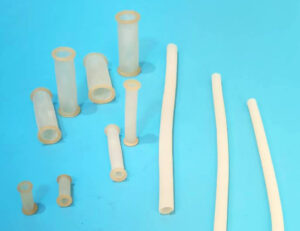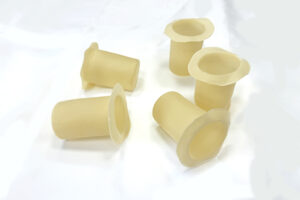
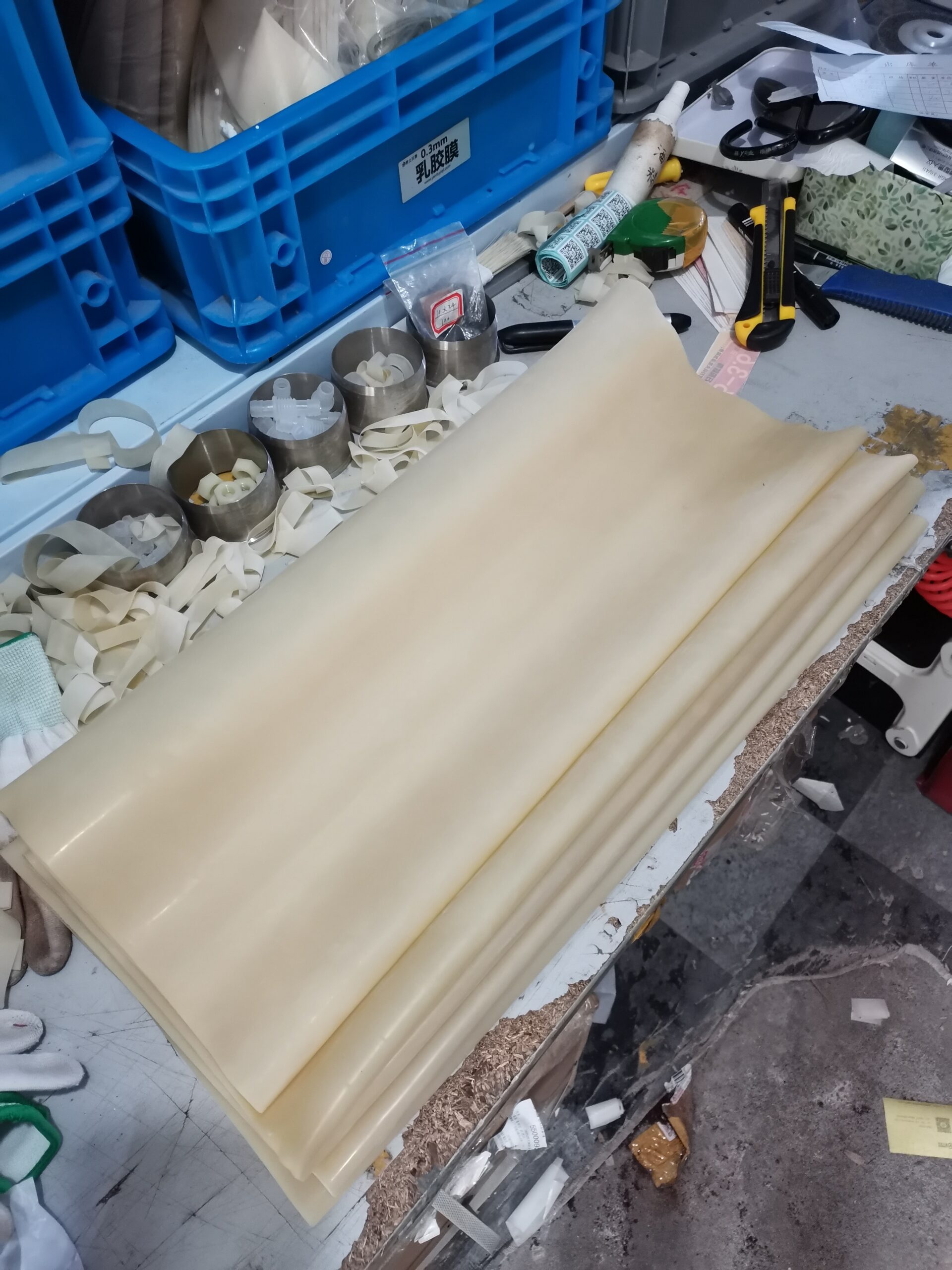
I have seen researchers spend days analysing soil behaviour, only to discover the hidden variable was the membrane around the specimen.
Latex membranes are not passive covers. Their thickness, stiffness, elasticity, and fit directly influence stress transfer, volume change, and deformation measurements in triaxial testing.
The smallest component can sometimes create the biggest questions.
Why Is the Membrane Not Just a Protective Layer?
Many people think the membrane only separates the specimen from the cell fluid. In reality, it becomes part of the testing system.
A latex membrane controls boundary conditions, transfers confining pressure, and interacts mechanically with the soil specimen during every stage of a triaxial test.
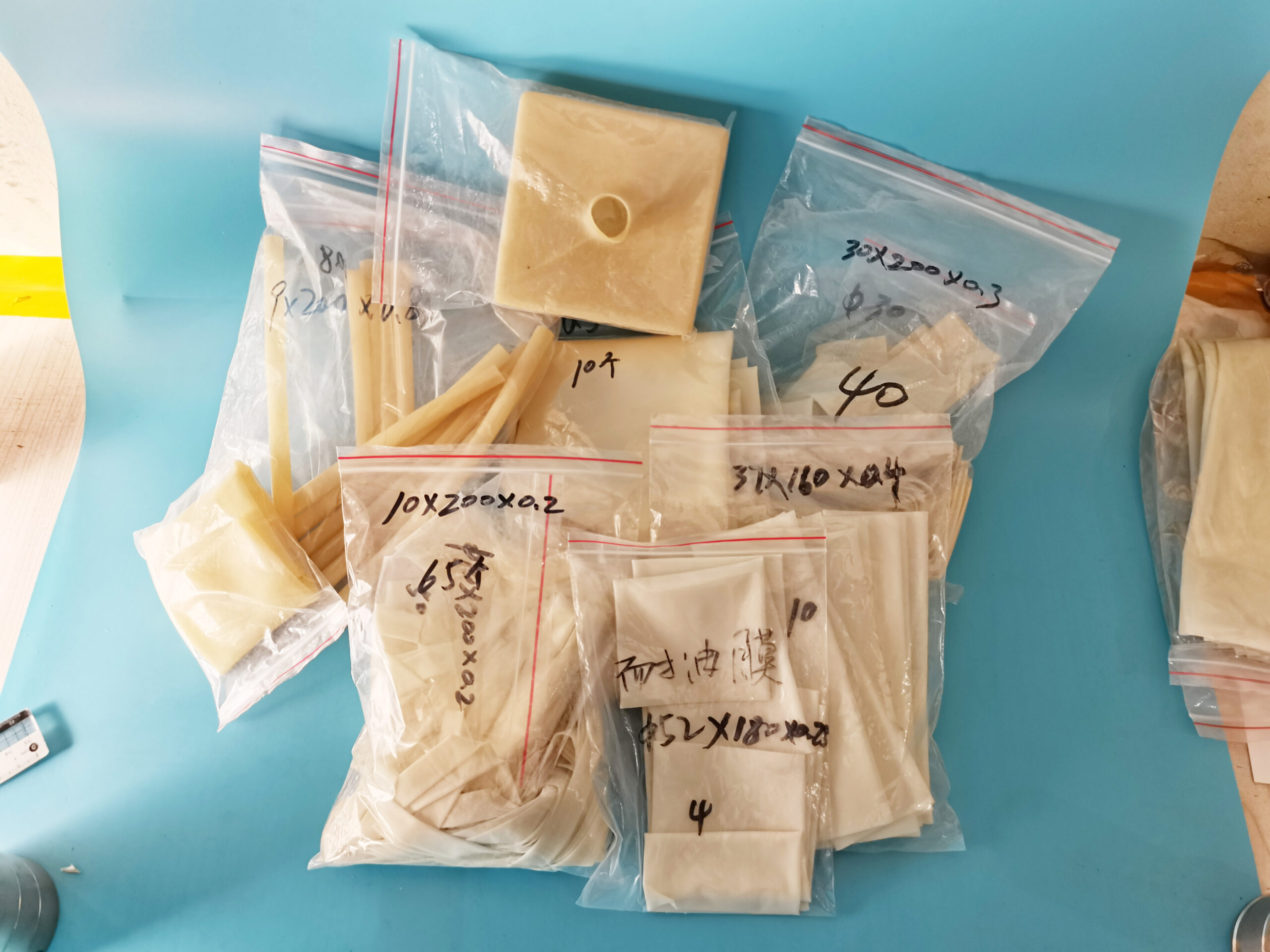
When I explain membrane effects to new engineers, I usually start with one simple idea:
The membrane touches the soil, so the membrane becomes part of the experiment.
A triaxial test looks simple from the outside. A soil sample sits inside a cell, water pressure is applied, and the machine records stress and strain. But between the cell fluid and the soil is a thin elastic layer—the latex membrane.
That thin layer experiences:
- radial stretching from confining pressure;
- axial deformation from specimen compression;
- friction with caps and porous stones;
- contact with soil particles;
- long-term creep under sustained stress.
Every one of these interactions can influence the final data.
For example, when confining pressure increases, the membrane develops hoop tension. This tension creates additional radial restraint. In a perfectly theoretical test, the soil should only respond to the applied stress. In reality, the membrane also contributes a small mechanical force.
This effect may be negligible in simple classroom demonstrations. But in advanced research, such as:
- high-pressure rock testing;
- soft clay behaviour studies;
- long-duration creep experiments;
- small-strain stiffness measurement;
small boundary effects can influence interpretation.
The membrane also affects sealing performance. A poorly fitted membrane may create wrinkles, trapped fluid pockets, or small leaks near the O-rings. These problems can appear as strange soil behaviour, when the actual problem is the testing boundary.
That is why experienced laboratories treat membrane selection as part of the test design, not just a purchasing decision.
A good membrane should provide:
| Requirement | Purpose |
|---|---|
| Stable elasticity | Allows natural specimen deformation |
| Uniform thickness | Maintains consistent restraint |
| Accurate diameter | Prevents wrinkles and overstretching |
| Good sealing | Protects pore pressure accuracy |
| Reliable material quality | Improves repeatability |
For more information about boundary control, I usually recommend starting with this triaxial boundary checklist.
How Can Small Material Differences Create Big Testing Consequences?
A membrane may look identical to another membrane, but small differences in material behaviour can change the test outcome.
Differences in latex formulation, curing, thickness, and elasticity can influence stress measurement, deformation response, and repeatability between tests.
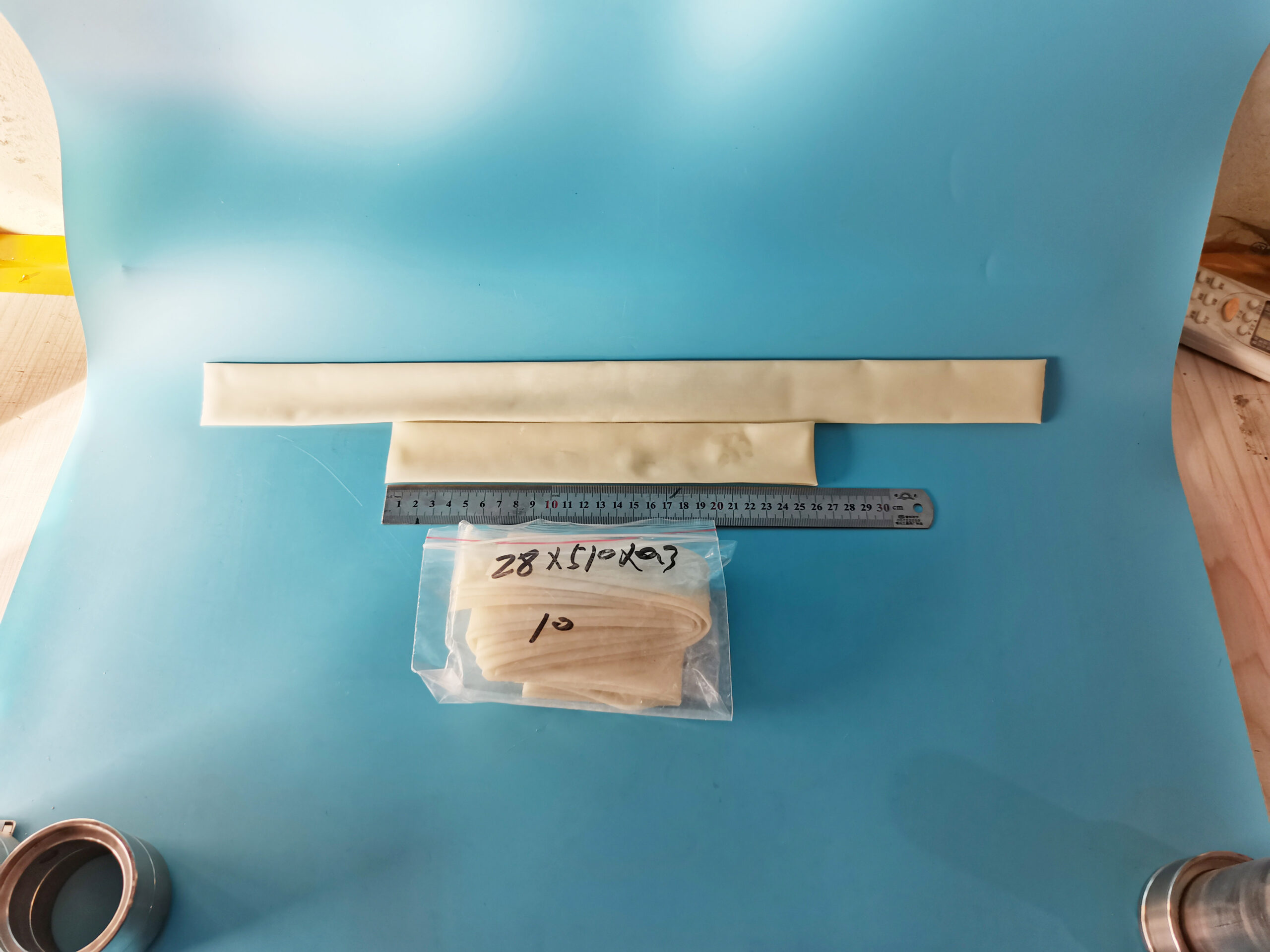
This is one of the most underestimated topics in triaxial testing.
Two membranes may have:
- the same diameter;
- the same length;
- the same appearance;
but still behave differently.
Why?
Because latex is a natural polymer with complex mechanical behaviour. It is not like a simple plastic tube with fixed properties.
Small manufacturing differences can influence:
Elastic recovery
A high-quality latex membrane stretches and returns smoothly. A lower-quality membrane may develop permanent deformation after repeated loading.
This changes how the membrane follows the specimen during compression.
Thickness consistency
A membrane that is slightly thinner in one area will stretch more there. A thicker area will resist deformation.
The result is uneven boundary restraint.
Surface behaviour
Surface tack, friction, and roughness affect installation and contact with the specimen.
A membrane that sticks too much can increase handling difficulty. A membrane with poor surface quality may increase damage risk.
Aging behaviour
Latex properties change with:
- temperature;
- storage conditions;
- oxygen exposure;
- testing duration.
A membrane that performs well in a short test may behave differently after several weeks under pressure.
This is especially important for automated laboratories. When machines collect thousands of data points, small material inconsistencies become easier to detect.
The problem is not always obvious failure. The bigger problem is quiet bias.
A test may complete successfully, but the measured values may shift slightly.
For example:
| Material Difference | Possible Effect |
|---|---|
| Higher stiffness | Increased radial restraint |
| Lower thickness | Higher tear risk |
| Poor recovery | Permanent deformation |
| Uneven wall | Non-uniform stress transfer |
| Aging material | Long-term drift |
This is why professional laboratories pay attention to membrane manufacturing details, not only specifications on paper.
A useful reference is this latex quality evaluation guide.
How Do Membrane Stiffness and Thickness Influence Data?
Thickness and stiffness are two invisible factors that quietly shape triaxial results.
A thicker or stiffer membrane may increase apparent strength, reduce measured dilation, and change stress–strain behaviour by adding additional boundary restraint.
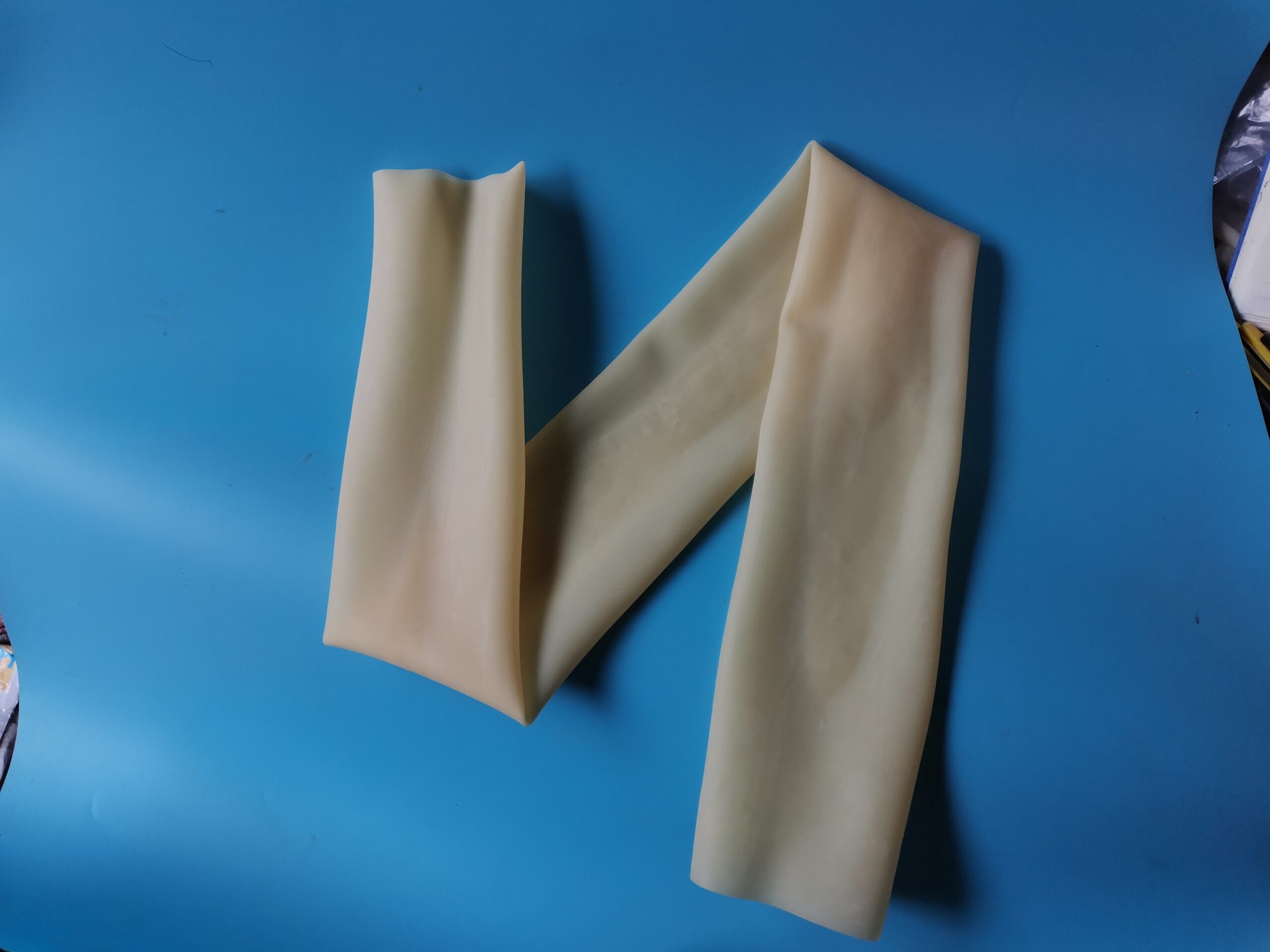
When researchers discuss test accuracy, they often focus on sensors and calibration. Those are important—but the membrane deserves equal attention.
Membrane stiffness effect
A stiffer membrane resists deformation.
During shearing, especially with dense sand or rock samples, the specimen wants to expand laterally. The membrane pushes back.
This can lead to:
- reduced radial expansion;
- lower apparent dilation;
- higher measured deviator stress;
- changes in failure behaviour.
In other words, the soil may appear stronger than it actually is.
Thickness effect
Thickness creates a balance problem.
A thinner membrane:
Advantages:
- lower boundary restraint;
- better sensitivity to deformation;
- closer representation of natural soil behaviour.
Risks:
- easier puncture;
- higher installation difficulty;
- greater sensitivity to rough particles.
A thicker membrane:
Advantages:
- stronger mechanical protection;
- better durability;
- improved performance under high pressure.
Risks:
- increased stiffness effect;
- more influence on stress transfer.
The correct choice depends on the application.
For example:
| Test Type | Preferred Membrane Consideration |
|---|---|
| Soft clay testing | Lower restraint, good flexibility |
| Sand testing | Balance between penetration and strength |
| Rock testing | Higher durability |
| High-pressure testing | Stronger thickness control |
| Long-term creep | Stable long-term properties |
Another important factor is thickness tolerance.
A membrane with an average thickness of 1.0 mm but large local variation may perform worse than a membrane with slightly different nominal thickness but excellent consistency.
This is why precision manufacturing matters.
At HOWDY, we focus heavily on thickness uniformity because large variations create unpredictable boundary behaviour. Through controlled latex processing and inspection procedures, we help laboratories reduce uncertainty caused by membrane variation.
You can review more about membrane thickness control.
How Can You Choose Membranes for More Reliable Triaxial Results?
The best membrane is not simply the strongest one. It is the one that matches the testing condition.
Reliable membrane selection requires balancing specimen size, soil type, confining pressure, temperature, test duration, and required measurement accuracy.
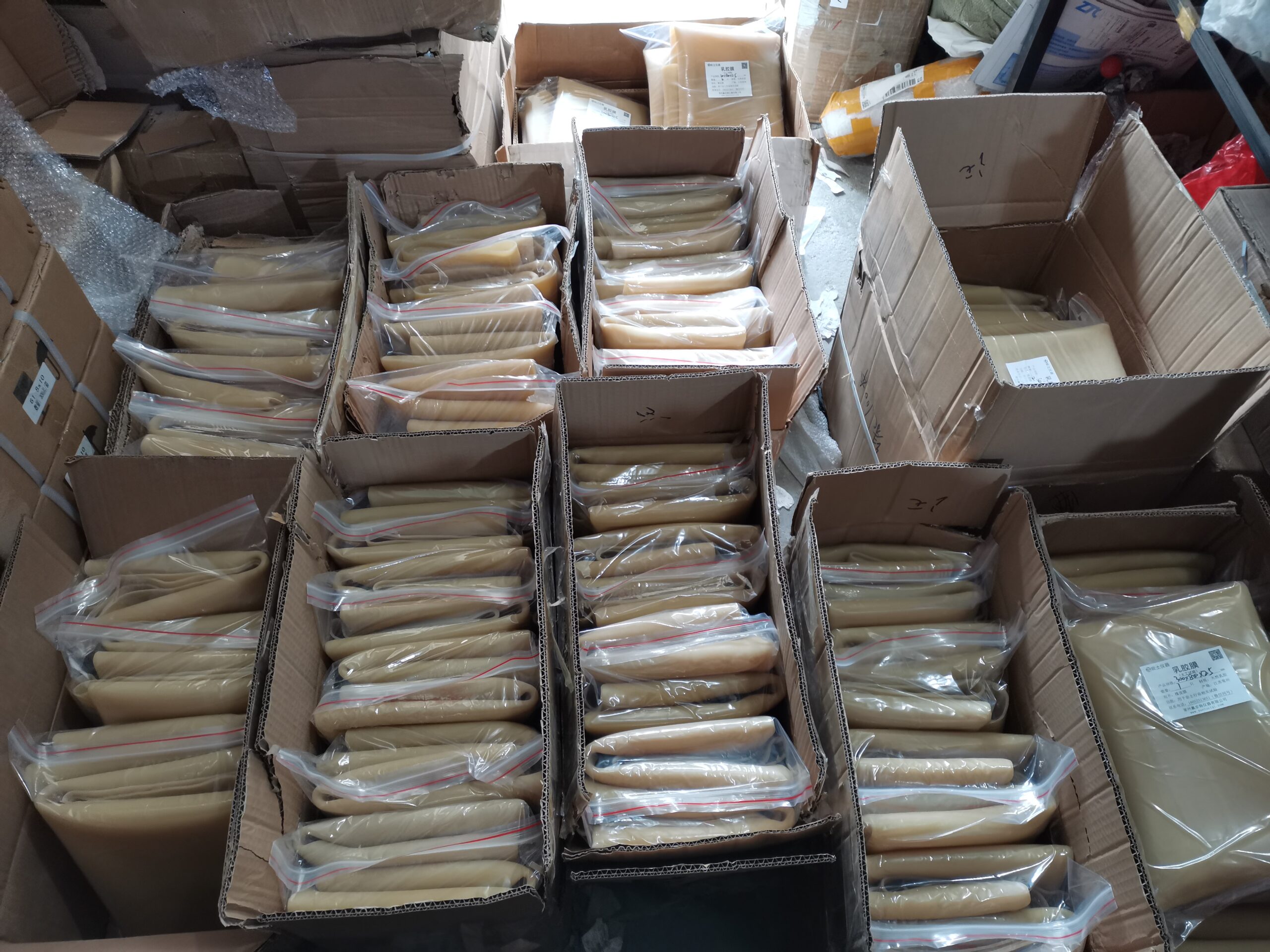
When choosing membranes, I always recommend starting with the test requirements instead of starting with price.
Ask these questions first:
What material are you testing?
Soft clay, sand, rock, and salt behave differently.
A soft clay test may require maximum deformation sensitivity, while a rock creep test may require long-term durability.
What pressure level will you use?
Higher confining pressure increases membrane stress.
For high-pressure applications, thickness consistency and tear resistance become much more important.
How long will the test run?
A two-hour compression test and a 40-day creep test are completely different challenges.
Long tests require:
- stable elasticity;
- low creep;
- reliable sealing.
Is the specimen standard or customized?
Standard membranes work well for common sizes.
However, advanced laboratories often need:
- large diameters;
- unusual lengths;
- special end designs;
- custom thickness.
This is where membrane specialists provide value.
At HOWDY, we do not view latex membranes as simple rubber sleeves. We treat them as precision components in the testing system.
Our support focuses on:
- accurate diameter matching;
- controlled thickness tolerance;
- stable elasticity;
- custom membrane development;
- large-size membrane manufacturing;
- application-specific recommendations.
For example, large-diameter membranes require much more process control than small laboratory sizes. Small production variations become much more visible as diameter and length increase.
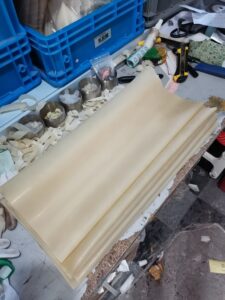
Our experience with large custom membranes, including sizes such as Ø600 × 1500 mm, has helped us develop stronger control over:
- mould accuracy;
- latex distribution;
- curing stability;
- dimensional inspection.
For laboratories performing advanced soil and rock testing, choosing the right membrane is not only about preventing failure. It is about protecting the quality of every data point.
A practical selection table:
| Application | Main Membrane Priority |
|---|---|
| Routine soil testing | Reliable fit and sealing |
| Precision research | Thickness uniformity |
| High-pressure testing | Strength and stability |
| Long-duration testing | Low creep behaviour |
| Custom equipment | Engineering support |
If you are unsure about membrane selection for your equipment, a specialist discussion can often prevent expensive testing problems: HOWDY membrane consultation.
Conclusion
Latex membranes quietly influence triaxial results. Better material control and smarter selection create more reliable soil testing data.