I’ve learned that in hot halite triaxial tests, the membrane can decide whether weeks of data are trustworthy.
In high-temperature halite triaxial testing, membrane choice affects sealing, true confining pressure, creep readings, and long-term stability—so it should be treated as part of the experimental design, not a consumable.
If you’re working near 100°C and 10–30 MPa, here’s how I think about it.
What is the membrane penetration effect in high-temperature triaxial testing—and why should I care?
At high pressure, the membrane can press into surface voids and roughness, creating hidden measurement bias.
Membrane penetration adds “fake” volume change and changes boundary restraint, which can distort creep strain trends and stress–strain interpretation—especially in rough halite.
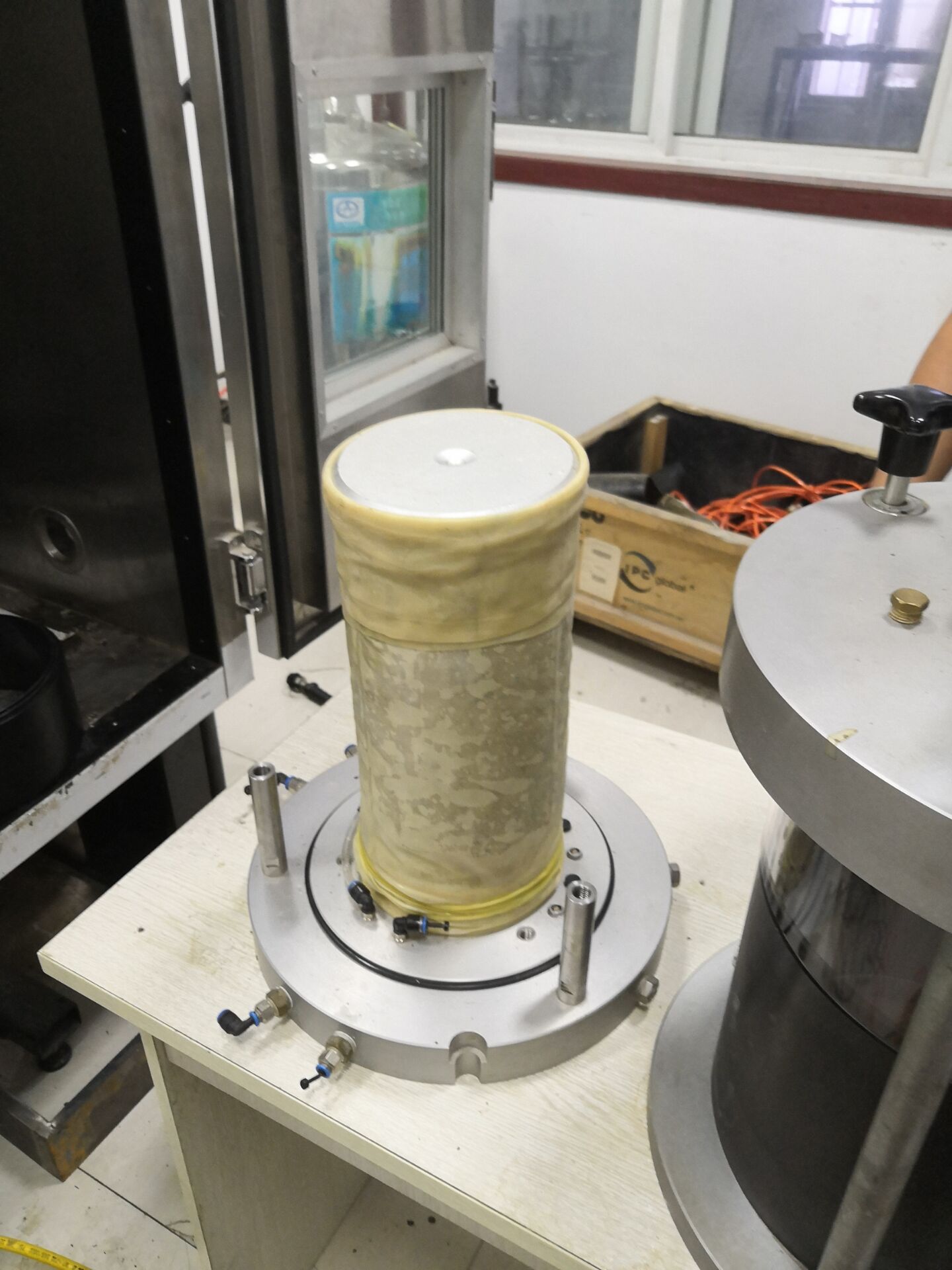
When confining pressure climbs into the 10–30 MPa range, the membrane stops being a passive sleeve. It becomes a boundary element with its own mechanics. The first boundary problem I watch for is membrane penetration—the membrane being pushed into grain-scale valleys, micro-cracks, or crystal steps on the specimen surface.
Halite is tricky here. Even when the core looks smooth, the surface can still have:
- tiny crystal discontinuities,
- grain-scale roughness,
- local dissolution features,
- and roughness that evolves during creep.
Under σ₃, a soft membrane can “sink” into those features. That intrusion can show up as extra measured contraction in your controllers. The scary part is it looks believable—like real compressibility or creep.
This is where I keep my discipline simple:
- If the early “contraction” is large and then suddenly calms down, I suspect penetration and seating.
- If the curve has slow drift during long holds, I ask whether the membrane is creeping or relaxing.
- If I change membrane thickness and the volume curve shape changes a lot, I don’t blame the rock first.
Two practical checks help:
1) a short dummy-cylinder baseline under the same σ₃ and temperature window,
2) a quick surface prep + repeatability check across multiple specimens.
I keep my baseline worksheet here: dummy baseline template.
And my “roughness risk” note is here: surface prep checklist.
| What I observe | What it might mean | What I do next |
|---|---|---|
| Big early contraction | penetration seating | repeat baseline, review surface |
| “Breathing” volume curve | folds + seating | remount, check fit |
| Late drift during creep | membrane creep/aging | verify seals, log temperature |
Why does test duration matter more than temperature alone?
Because time is its own load. Heat + weeks of exposure changes materials.
A membrane that survives 100°C for 2 hours may slowly relax, creep, or leak over 40 days—so duration must guide material choice more than peak temperature.
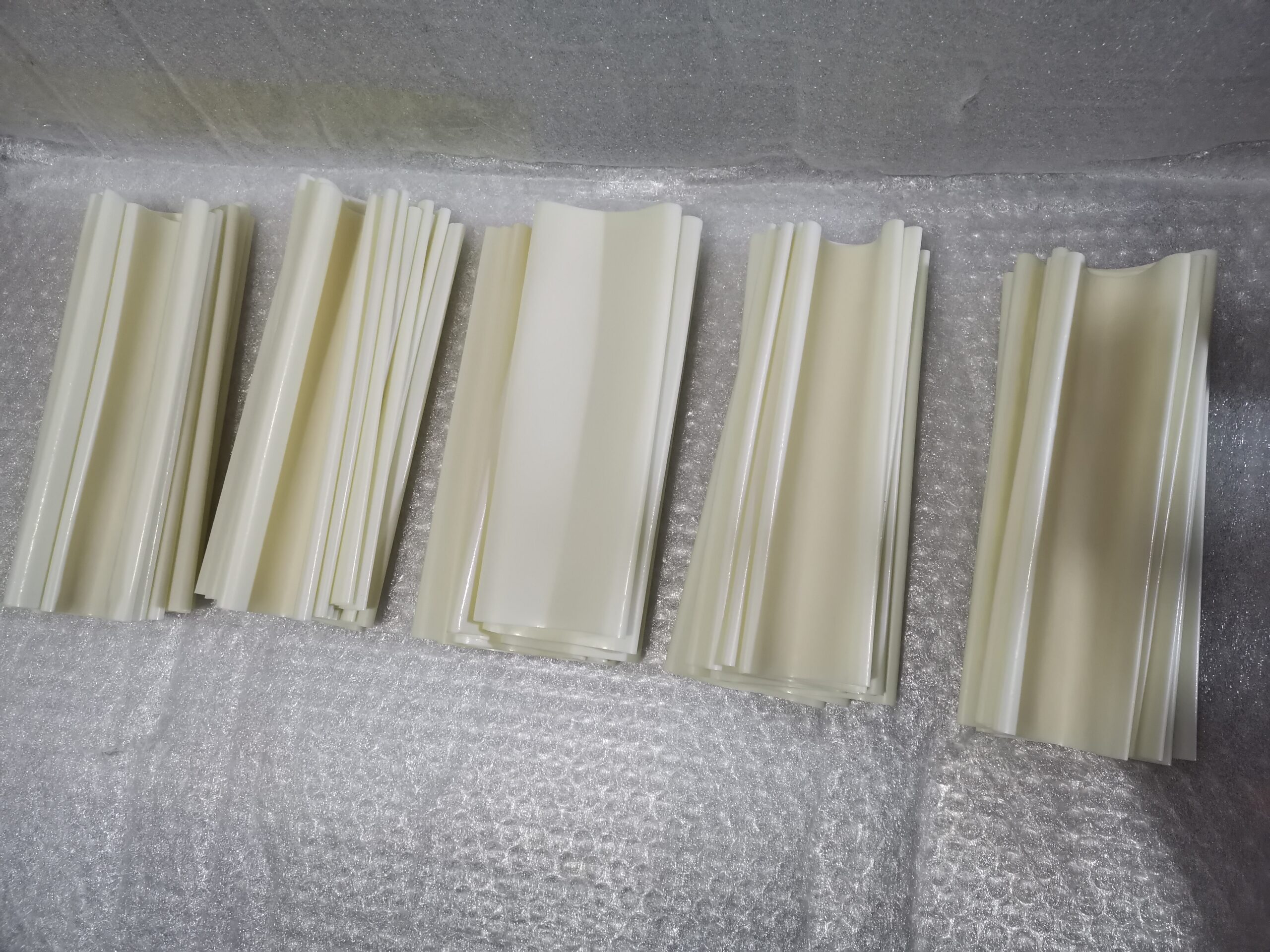
I see one common mistake again and again: people choose a membrane by the temperature number on a spec sheet. But long halite programs don’t fail like a movie scene—no dramatic pop, no obvious rupture. They fail like real life: quietly.
In long-duration creep tests, the membrane lives under a nasty combination:
- high temperature,
- sustained confining pressure,
- continuous tensile stress as the specimen creeps,
- and often small geometry changes over days and weeks.
Even if you hold 100°C steady, exposure duration accelerates slow degradation:
- thermal oxidation,
- loss of elastic recovery,
- softening or permanent set,
- surface tack development,
- changes in permeability,
- gradual sealing degradation near O-rings.
Halite makes this worse because it can creep significantly. As the specimen deforms, the membrane is constantly being “asked” to stretch and re-seat. Over 30–40 days, that becomes a fatigue story even without a single dramatic event.
So I plan membrane selection like a time budget:
- Short compression tests (hours): I mainly need good sealing and clean mounting.
- Creep tests (weeks): I need long-term thermal stability and low aging risk.
- Thermo-mechanical coupling studies: I need stability plus consistent boundary behavior, because small drifts can ruin interpretation.
I also log temperature like it’s a sensor, not a background number. If the lab cycles day/night, it can show up as gentle waves in volume and strain. That’s why my first checklist item for long creep is always: temperature log habit.
Should I choose chlorinated latex or silicone membranes for halite testing at 100°C?
It depends on whether you’re running hours or weeks—and how much creep you expect.
Chlorinated latex is practical for short high-temperature tests; silicone is usually safer for long creep at ~100°C because it stays stable longer, even if it’s harder to handle.
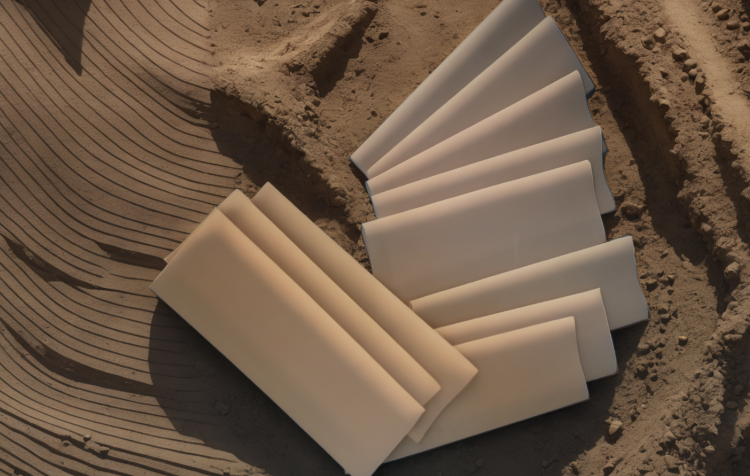
If you ask me for a “winner,” I’ll disappoint you on purpose. Because the right answer changes with the test plan.
Chlorinated latex: what it’s truly good at
Chlorinated latex is still latex, but the surface treatment improves handling:
- reduced tack,
- lower friction,
- better abrasion resistance,
- easier installation,
- better surface stability.
For short-duration halite tests near 100°C (say, a few hours), chlorinated latex can be a very practical choice. You get the familiar elasticity and sealing behavior labs love.
But here’s the honest limit: chlorination mainly improves surface behavior, not the core thermal endurance. For long exposures, natural latex can still:
- age thermally,
- relax under stress,
- creep over time,
- and gradually lose sealing reliability.
Silicone: why labs use it for long creep
Silicone is popular in thermo-mechanical rock testing because it keeps its properties more stable with heat over long periods. For 30–40 day creep programs near 100°C, silicone is often the safer bet.
But silicone has its own “personality”:
- higher gas permeability,
- different friction behavior,
- sometimes lower tear resistance,
- and it can be more sensitive during installation.
So if you go silicone, you must care more about:
- thickness consistency,
- careful mounting tools,
- and edge protection.
I keep a simple decision note for teams: chlorinated vs silicone guide.
And a mounting routine card here: high-temp mounting SOP.
| Material | Best for | Main risk I watch |
|---|---|---|
| Chlorinated latex | short high-temp tests | long-term aging/relaxation |
| Silicone | long creep at ~100°C | permeability + handling damage |
How can I minimise errors and protect data quality in high-pressure, high-temperature programs?
Treat the membrane like part of the method: design, verify, then run.
Minimise errors by matching thickness to σ₃ and duration, validating seals early, controlling temperature, and running baseline checks—then documenting membrane specs like a key test variable.
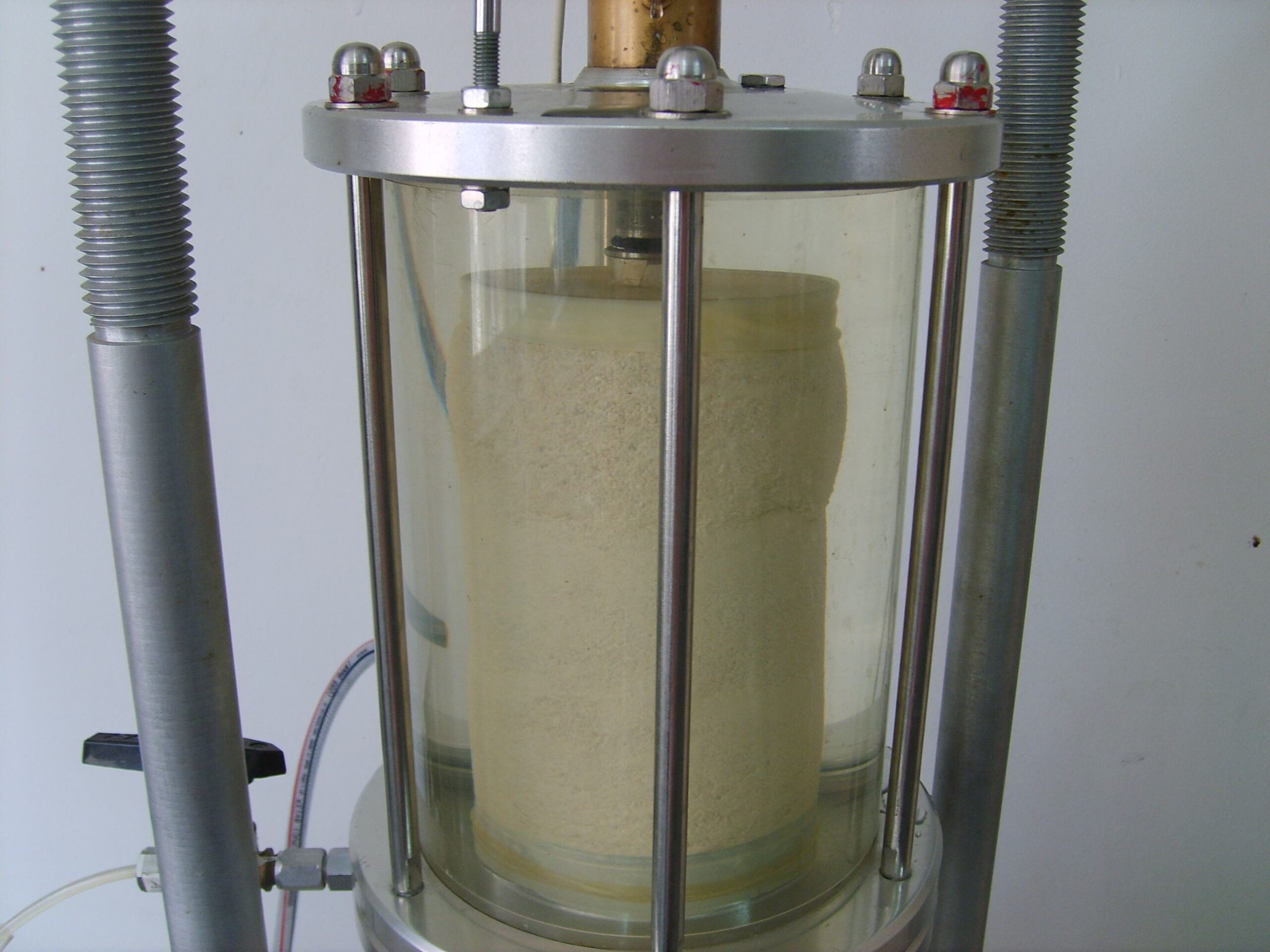
When I want reliable halite data, I don’t chase perfection. I chase control.
Here’s what has actually worked for me and for the labs I talk with:
1) Choose thickness with intent
At 10–30 MPa, super-thin membranes can be risky. Many labs land in the 0.5–0.8 mm range depending on duration and surface roughness. Thicker reduces delayed rupture risk, but too thick can add restraint bias. I pick a range, then validate it with a short pilot.
2) Protect the sealing zones
Most long tests fail at the seals first. I focus on:
- smooth O-ring seating,
- consistent clamp force,
- clean end surfaces,
- and a leak check early, before the real creep phase.
3) Run a baseline
A dummy-cylinder hold under the same σ₃ and temperature window tells me what the system does without “rock drama.” It’s my favorite sanity check because it’s fast and honest: baseline method.
4) Log membrane details like instrumentation
I record:
- material type,
- thickness,
- batch/lot,
- mounting notes,
- temperature profile,
- and any visible changes (tack, haze, soft spots).
5) Use specialist support when the test is expensive
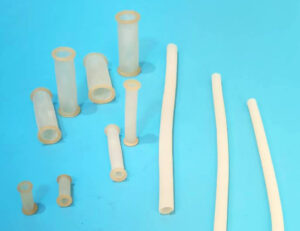
Here’s where I naturally mention HOWDY and membrane specialists. In high-stakes programs—weeks of conditioning, long creep, custom fixtures—membrane consistency becomes part of your experimental credibility. Specialists help by providing:
- stable thickness tolerance,
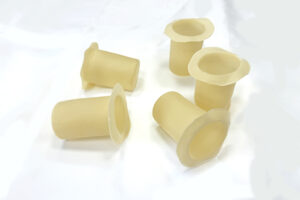
- controlled surface finish (including chlorinated options),
- custom shapes for tricky seal geometry,
- and batch-to-batch repeatability.
At HOWDY, we spend a lot of time on the “boring” controls—thickness consistency, surface stability, and custom sizing—because that’s what prevents subtle drift in long tests. If you want to share your σ₃, temperature, duration, and specimen size, I can suggest a safer membrane plan: HOWDY lab support.
| Best practice | What it protects | Especially important for |
|---|---|---|
| Pilot + baseline | separates system vs rock | creep programs |
| Seal discipline | prevents slow leaks | CU + long holds |
| Thickness matched to σ₃ | avoids delayed rupture | 10–30 MPa |
| Full logging | improves repeatability | research publications |
Conclusion
For halite at ~100°C, pick membranes by duration and pressure—not temperature alone—and use pilots, baselines, and specialist-quality control to protect weeks of data.