I have watched geotechnical laboratories change from manual workstations into connected testing systems. The next step is intelligent automation.
The future of geotechnical testing is moving toward automated workflows, real-time monitoring, AI-assisted analysis, and smarter consumables that improve accuracy, repeatability, and laboratory efficiency.
The laboratory of tomorrow will not replace engineers. It will help them make better decisions.
How Is Geotechnical Testing Moving From Manual Work to Intelligent Laboratory Automation?
Automation is changing how laboratories prepare, test, monitor, and analyze soil and rock behaviour.
Modern geotechnical automation combines robotic operation, digital control systems, and software integration to reduce human error while improving testing speed and repeatability.
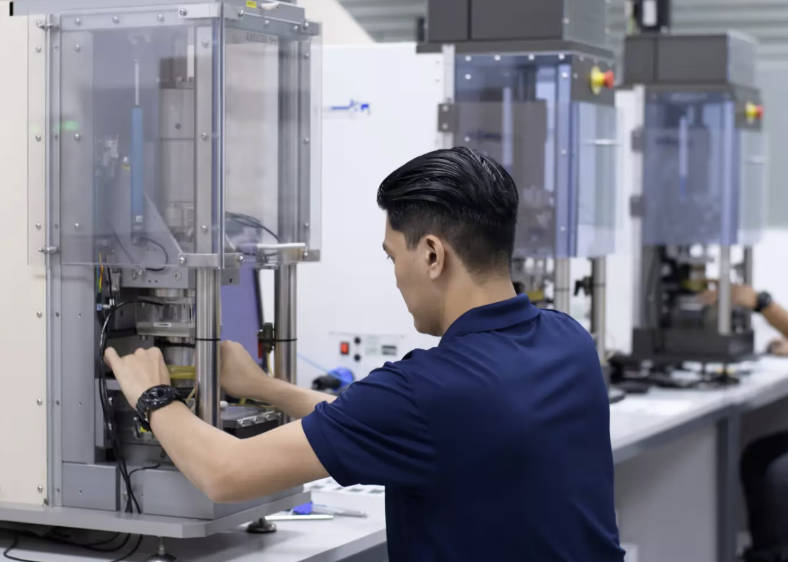
When I visit traditional geotechnical laboratories, I often see the same challenge: skilled engineers spend too much time on repetitive tasks.
Preparing samples. Adjusting pressure systems. Recording readings. Checking data manually.
These steps are important, but they also create opportunities for small errors.
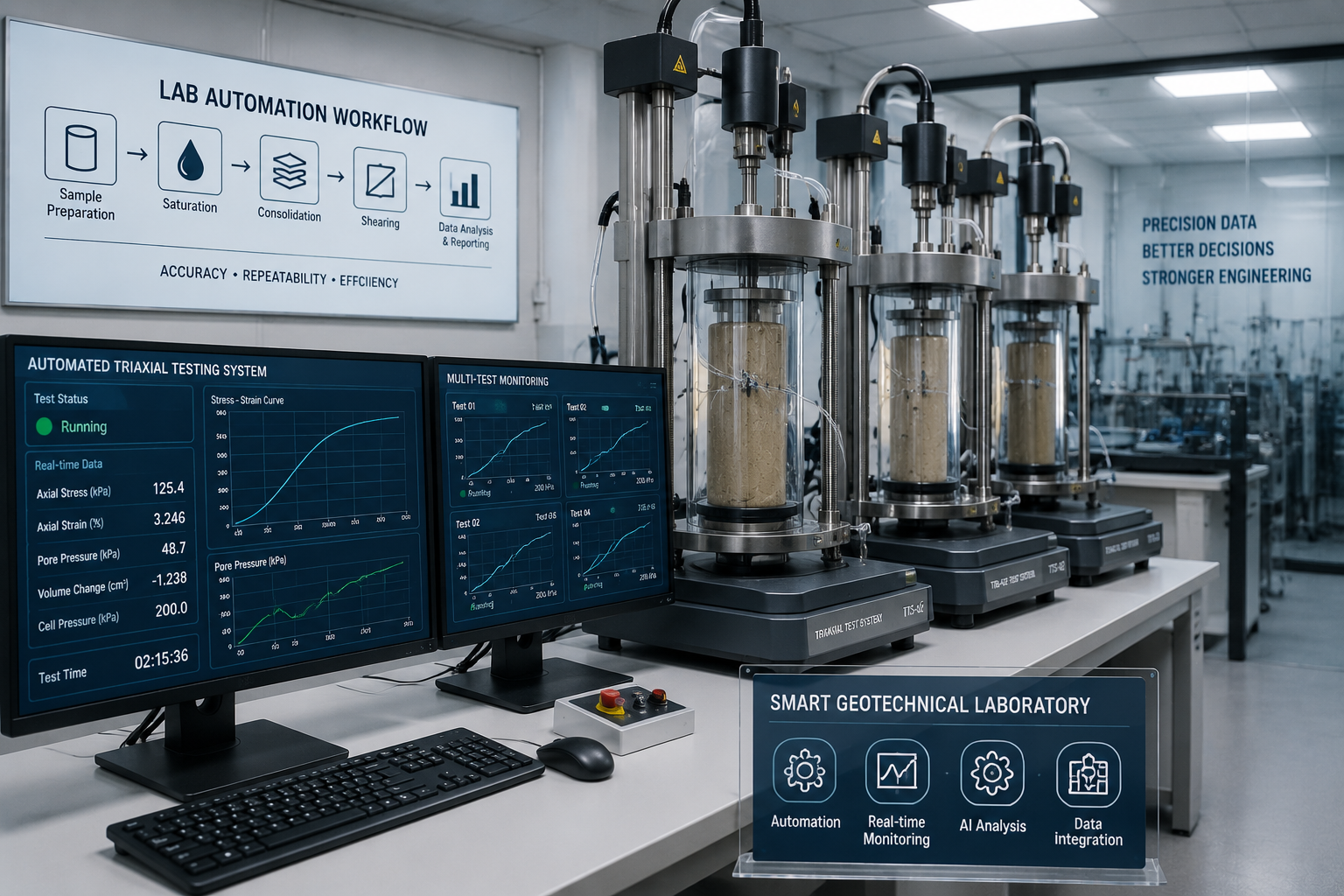
A modern automated laboratory changes this workflow.
Instead of an engineer manually adjusting every stage, automated systems can control:
- specimen preparation procedures;
- saturation processes;
- consolidation stages;
- loading rates;
- pressure control;
- data recording.
The goal is not to remove engineers from the process. The goal is to allow engineers to focus on interpretation rather than routine operation.
For example, in a traditional triaxial test, an operator may need to monitor pressure, displacement, and volume change throughout the entire test. In an automated system, sensors continuously collect information, and software adjusts conditions according to predefined testing parameters.
This creates several advantages:
Improved repeatability
The same test conditions can be reproduced more accurately between different operators and different laboratories.
Reduced human influence
Manual adjustment differences are reduced, especially during long-duration tests such as:
- creep testing;
- consolidation studies;
- unsaturated soil testing;
- thermo-mechanical experiments.
Higher testing efficiency
One engineer can manage multiple testing systems instead of monitoring one machine continuously.
However, automation also creates new requirements. A highly automated system is only as reliable as its components. Sensors, controllers, pressure systems, and consumables must all work consistently.
A small inconsistency in a membrane, seal, or sensor can become a large data problem when thousands of measurements are collected automatically.
That is why future laboratories will need both intelligent equipment and reliable supporting components: automation quality checklist.
| Traditional Laboratory | Automated Laboratory |
|---|---|
| Manual pressure adjustment | Digital pressure control |
| Operator-based recording | Continuous data logging |
| Single test monitoring | Multiple test management |
| More human variation | Higher repeatability |
How Will Digital Sensors, Real-Time Monitoring, and AI Improve Geotechnical Data Analysis?
The next generation of laboratories will not only collect data—they will understand it.
Digital sensors and AI-assisted analysis allow laboratories to monitor soil behaviour continuously, identify abnormal trends, and improve interpretation of complex geotechnical experiments.
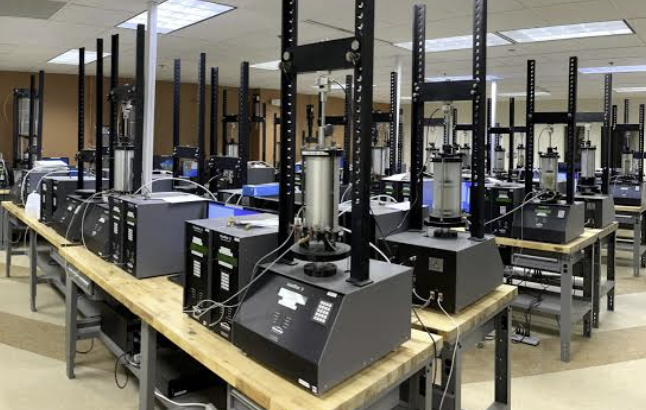
One of the biggest changes in modern geotechnical testing is the transition from periodic measurement to continuous monitoring.
In older systems, engineers often checked readings at specific intervals. Today, digital sensors can capture thousands of data points during a single experiment.
Examples include:
- high-resolution load cells;
- digital pore pressure sensors;
- automatic volume controllers;
- displacement sensors;
- temperature monitoring systems.
This creates a much richer picture of soil behaviour.
For example, during a CU triaxial test, real-time monitoring can reveal small changes in pore pressure development that might have been missed during manual recording.
During long-term creep tests, continuous monitoring helps identify:
- changing deformation rates;
- temperature effects;
- equipment drift;
- unexpected boundary behaviour.
The next step is artificial intelligence.
AI does not replace engineering judgement, but it can help identify patterns inside large datasets.
Possible applications include:
Automatic anomaly detection
AI systems can detect unusual pressure fluctuations, sensor drift, or abnormal deformation trends.
Predictive analysis
Historical test data can help predict:
- failure conditions;
- creep behaviour;
- consolidation trends;
- material response.
Faster reporting
Instead of manually processing thousands of readings, software can automatically generate:
- stress–strain curves;
- effective stress paths;
- deformation models;
- comparison reports.
But there is an important point: AI is only as good as the data quality.
Poor calibration, inconsistent samples, or unstable membranes create poor input data. Advanced algorithms cannot fix unreliable measurements.
In future laboratories, data quality will begin before the software stage. It starts with every physical component in the testing system.
A useful reference is this digital testing workflow.
| Technology | Laboratory Benefit |
|---|---|
| Digital sensors | Higher measurement accuracy |
| Automated controllers | Stable testing conditions |
| AI analysis | Faster interpretation |
| Cloud data storage | Easier collaboration |
Why Will Automated Testing Increase Demand for High-Performance Consumables?
Automation increases precision requirements. The smallest component can influence the final result.
As laboratories become more automated, demand will grow for high-quality membranes, seals, sensors, and accessories with tighter consistency and better long-term stability.
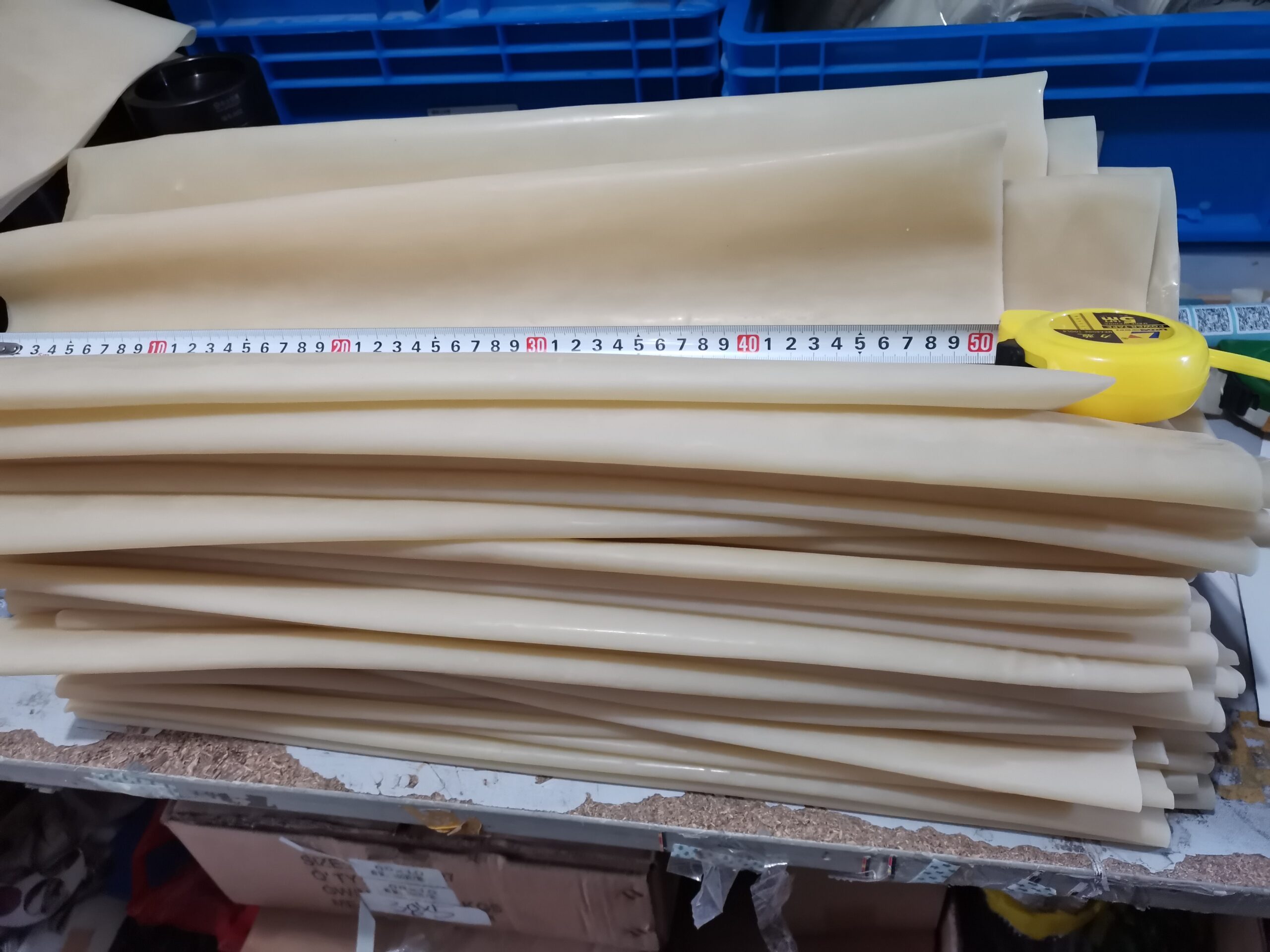
This is a point many people underestimate.
When a laboratory performs manual testing, an experienced operator can sometimes notice problems immediately. They see a leaking connection. They feel abnormal resistance. They adjust the system.
Automation removes much of that human observation.
The system depends more heavily on component reliability.
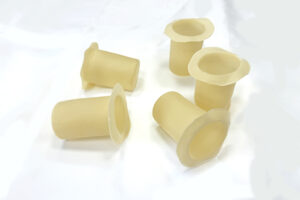
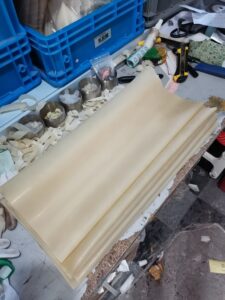
For example, a latex membrane used in an automated triaxial system must provide:
- consistent thickness;
- stable elasticity;
- accurate diameter;
- reliable sealing;
- low variation between batches.
Why?
Because automated equipment may collect thousands of measurements over days or weeks. A small membrane variation can create systematic bias.
Important applications include:
- automated triaxial testing;
- high-pressure rock testing;
- long-term creep experiments;
- temperature-controlled soil testing;
- advanced university research programs.
Future consumables will not simply be “available sizes.” They will become engineered components designed around specific testing conditions.
For example:
| Test Requirement | Membrane Consideration |
|---|---|
| High confining pressure | Higher tear resistance |
| Long-duration creep | Low relaxation behaviour |
| Sensitive volume measurement | Better thickness control |
| Large specimens | Diameter uniformity |
| Automated systems | Batch consistency |
This is where membrane specialists become increasingly important.
At HOWDY, we see membranes as part of the measurement system, not just a laboratory accessory.
Our focus is on:
- controlled latex formulation;
- stable dipping processes;
- thickness consistency;
- custom dimensions;
- large-size membrane production;
- application-specific solutions.
For advanced laboratories, especially those working with unusual specimen sizes or demanding test conditions, standard products are often not enough.
A custom membrane designed around the equipment can reduce installation problems, improve repeatability, and support more reliable automated testing.
Our experience developing large membranes, including extra-large formats for advanced geotechnical applications, has helped us understand that precision starts from the material itself.
You can learn more about high precision membrane solutions.
What Will the Geotechnical Laboratory of the Future Look Like?
The future laboratory will connect equipment, data, materials, and engineering knowledge into one intelligent system.
Future geotechnical laboratories will combine automation, AI, advanced sensors, and precision components to create faster, smarter, and more reliable testing environments.
When I imagine the future laboratory, I do not see a room full of machines working without people.
I see engineers working differently.
Instead of spending hours collecting numbers, they spend more time asking better questions:
- Why is this soil behaving differently?
- How does this material respond underground?
- What does this data mean for a real project?
A future laboratory may include:
Fully automated test sequences
A sample can move through preparation, saturation, consolidation, and shearing with minimal manual intervention.
Connected equipment networks
Multiple machines can share data through laboratory information systems.
Intelligent quality control
Software can compare current tests against historical results and identify unusual behaviour.
Advanced material solutions
Consumables will become more specialized. Membranes, seals, and accessories will be developed for specific applications rather than general use.
The role of suppliers will also change.
A good supplier will not only provide products. They will provide technical understanding.
For example, membrane selection for a standard soil test is simple. But for:
- 30 MPa confinement;
- 100°C testing;
- large-diameter specimens;
- long-duration creep;
the correct material, thickness, and design become part of the experimental method.
This is where HOWDY aims to support modern laboratories.
By combining manufacturing experience, customization capability, and understanding of geotechnical testing requirements, we help researchers and testing companies build more reliable systems.
The future of geotechnical testing will belong to laboratories that connect three things:
smart equipment + reliable data + high-quality components.
That combination creates confidence in every result.
For laboratories planning automation upgrades, this future lab planning guideprovides a useful starting point.
| Future Element | Expected Impact |
|---|---|
| AI analysis | Faster engineering decisions |
| Automation | Higher efficiency |
| Digital sensors | Better accuracy |
| Precision consumables | More reliable data |
Conclusion
The future of geotechnical testing is intelligent, connected, and precise—where automation and high-quality components work together for better data.