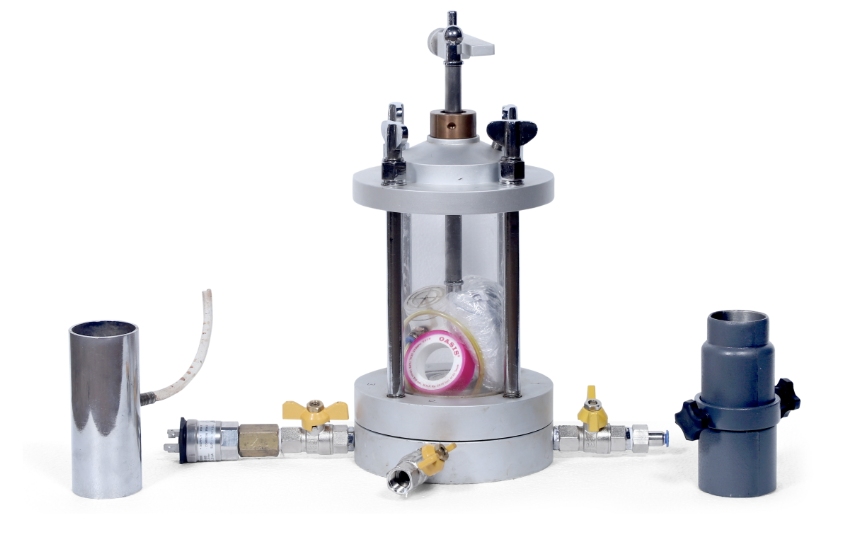
Choosing the Right De-airing Device for Your Triaxial Test System
Ensuring proper de-airing is essential in triaxial testing, as residual gas in the system can significantly reduce test accuracy and reliability.
To select the right de-airing device, lab engineers must consider vacuum level requirements, de-airing efficiency, sample throughput, and integration compatibility. This guide compares popular de-airing methods and provides technical insights to help you make the right choice.
Required Vacuum Level & Target Dissolved Gas
In triaxial tests, especially those following ASTM D47671 or BS 1377, proper saturation is vital. De-airing helps remove dissolved and entrapped air2 from the pore pressure system and water supply.
- Target vacuum: Most systems aim for -70 to -85 kPa (gauge) to remove dissolved gases below saturation limits.
- Water degassing goal: Below 3 mg/L of dissolved oxygen is often targeted for sensitive soil specimens like clays.
- Importance: Inadequate de-airing leads to B-values under 0.95, affecting test validity.
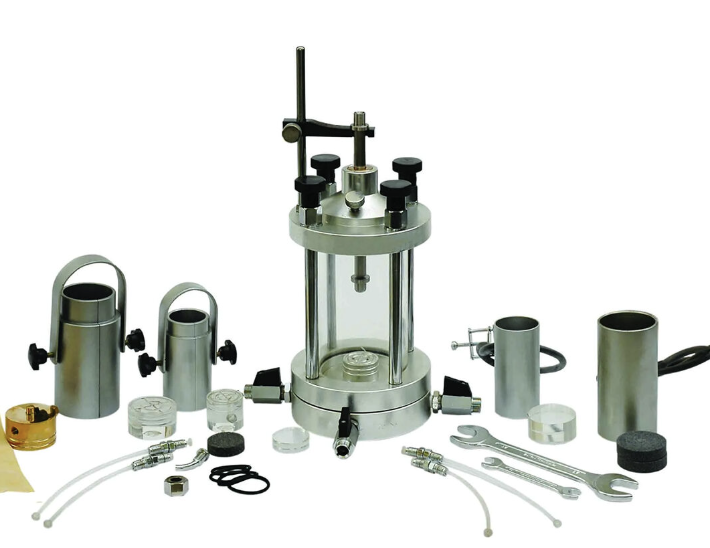
Device Types Compared: Chamber, Inline Membrane, Recirculating Tank
Here’s how common de-airing device types compare:
| Device Type | Mechanism | Best For | Limitations |
|---|---|---|---|
| Vacuum Chamber3 | Degasses water in a sealed vessel under vacuum | Most triaxial setups | Slower for large volumes |
| Inline Membrane4 | Removes gas through semi-permeable tubing | Compact setups, automated rigs | Requires continuous vacuum & filter lines |
| Recirculating Tank | Circulates and degasses water continuously | High-throughput / large labs | Requires pump & constant monitoring |
Tip: Inline membrane systems save space and reduce contamination risks, but chamber units are more affordable and robust for general lab use.
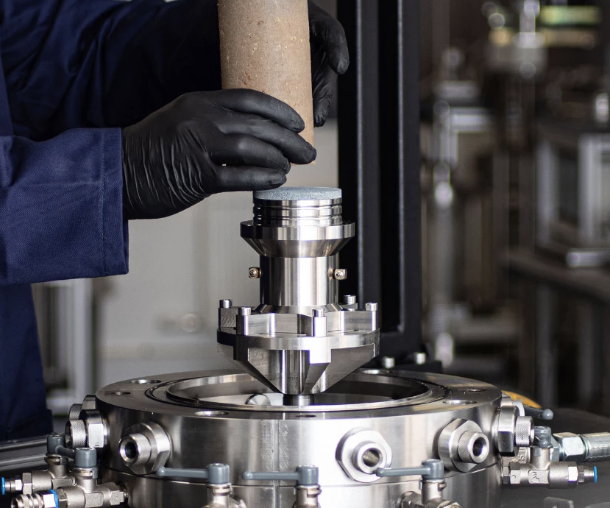
Sizing for Throughput: Volume, Flow, and Heat
Choosing the right size depends on how much de-aired water your test requires per day.
- Daily water volume5: Estimate number of specimens × 500–1000 mL.
- Flow rate: Inline systems must match downstream flow needs (e.g., 100–300 mL/min).
- Heat considerations: Degassing systems running continuously can heat water. If sensitive, use cooling jackets6 or intermittent vacuuming.
| Lab Type | Suggested Capacity | Notes |
|---|---|---|
| Academic Labs | 2–5 L/day | Vacuum chambers suffice |
| Commercial Labs | 10–20 L/day | Recirculating tanks with inline filters |
| Automated Systems | Continuous flow | Prefer inline membrane with regulation |
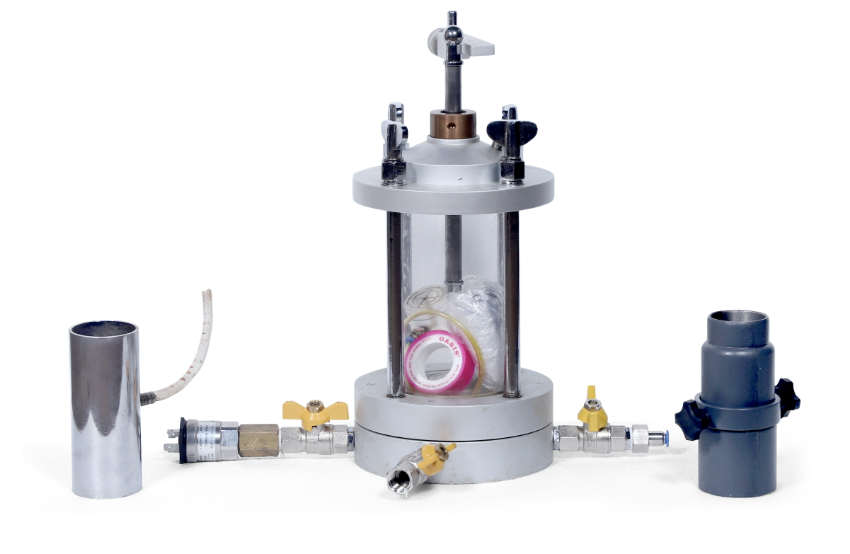
Integration & Maintenance: Filters, Lines, and Standards
A de-airing device must seamlessly integrate with your existing setup:
- Tubing & connectors: Use non-permeable tubing (e.g., PTFE) to reduce reabsorption.
- Inline filters: Place 0.45μm filters downstream to prevent particulate contamination.
- Drain valves: Make sure excess air or foam can be released.
- Maintenance: Clean tanks weekly and replace membranes every 3–6 months depending on use.
Compliance Note: For labs under ISO/IEC 17025 or working on public infrastructure projects, documentation of water saturation level and maintenance logs is often required.
✅ Conclusion
Choosing the right de-airing device requires balancing vacuum performance, sample volume, and operational efficiency. Whether you opt for a vacuum chamber, inline membrane, or recirculating system, ensure that it matches your lab’s daily workload, integrates well with your triaxial setup, and supports easy maintenance.
A well-chosen de-airing system boosts B-value reliability, extends equipment lifespan, and ensures compliance with global testing standards.
-
Understanding ASTM D4767 is crucial for ensuring accurate triaxial test results and proper soil analysis. ↩
-
Exploring the impact of dissolved and entrapped air can enhance your knowledge of soil behavior in triaxial tests. ↩
-
Explore this link to understand the principles and applications of vacuum chambers in various scientific fields. ↩
-
Discover the advantages of inline membrane systems for compact setups and how they enhance efficiency in labs. ↩
-
Understanding daily water volume is crucial for accurate testing and resource management in experiments. ↩
-
Exploring cooling jackets can help you maintain optimal temperatures in sensitive experiments, ensuring reliable results. ↩