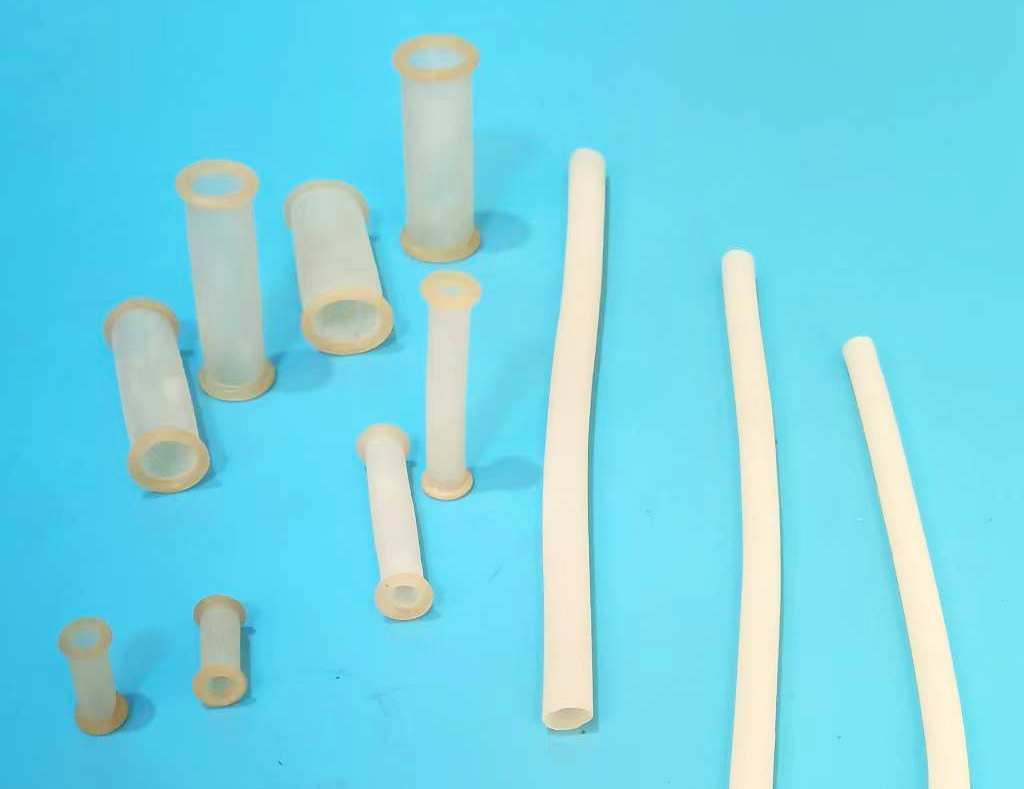
I never expected cigarette equipment engineers to ask me about latex membranes. But once they explained the application, it made perfect sense.
Latex membranes are used in cigarette and filter testing equipment where flexible sealing, controlled pressure, soft contact, and repeatable inspection are needed. Custom membranes help maintain stable test conditions and reduce equipment downtime.
Let’s look at where they fit inside tobacco testing and inspection systems.
Where Are Latex Membranes Used in Cigarette Manufacturing Equipment?
Latex membranes are mainly used in testing, inspection, sealing, and pressure-control parts of cigarette and filter equipment.
In cigarette manufacturing, latex membranes may be used as flexible sealing sleeves, pressure bladders, vacuum contact layers, or replacement parts in tobacco and filter testing devices.
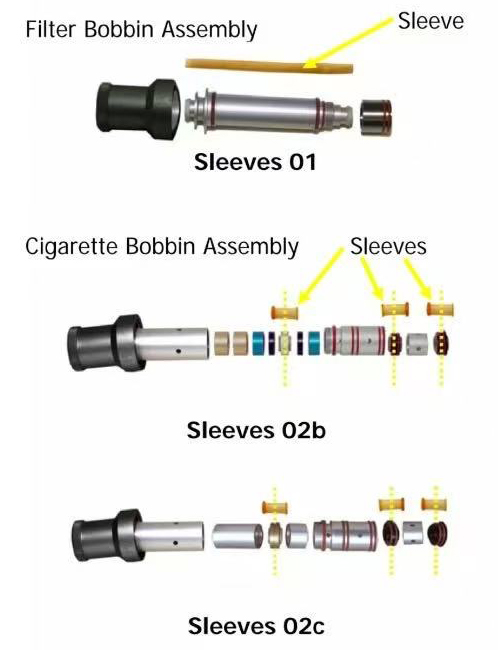
When people think about cigarette manufacturing, they usually picture high-speed rolling machines, filters, packaging lines, and inspection cameras. Very few people think about small flexible parts inside testing equipment.
But those small parts matter.
In tobacco factories, quality control equipment often needs to test or inspect:
- cigarette diameter;
- filter firmness;
- air leakage;
- draw resistance;
- pressure drop;
- ventilation performance;
- seal integrity;
- sample deformation under controlled pressure.
In these systems, latex membranes can be used where the equipment needs a soft, flexible, airtight contact surface. For example, a testing chamber may need to hold a cigarette or filter sample gently without crushing it. A rigid clamp may damage the sample or create uneven pressure. A latex membrane can adapt to the shape and create a better seal.
In some inspection systems, membranes may also help create stable vacuum or pressure conditions. They can act like a flexible barrier between air pressure and the sample. This is useful when the test depends on repeatable airflow or controlled compression.
The key point is not that every cigarette machine uses latex membranes. The real point is that some tobacco testing and inspection devices rely on flexible membrane parts, and those parts must be stable, clean, and accurate.
A poor membrane can cause:
- air leakage;
- unstable pressure readings;
- poor sample contact;
- inconsistent test results;
- more frequent machine stoppage.
This is why replacement membranes should not be treated as ordinary rubber sheets. They are functional parts in precision testing systems.
| Equipment Area | Possible Membrane Function |
|---|---|
| Draw resistance testing | Flexible sealing around sample |
| Pressure drop testing | Airtight contact layer |
| Filter inspection | Gentle holding or compression |
| Vacuum testing | Elastic sealing barrier |
| Custom fixtures | Special-shaped replacement part |
In my view, latex membranes in cigarette manufacturing are not “main machine parts.” They are quiet supporting parts that help testing equipment stay accurate.
Why Are Latex Membranes Suitable for Cigarette and Filter Testing Systems?
Cigarette and filter samples are light, delicate, and sensitive to pressure. The contact material must be gentle but reliable.
Latex membranes are suitable because they offer elasticity, soft contact, airtight sealing, good recovery, and custom sizing, which help protect samples while maintaining stable test conditions.
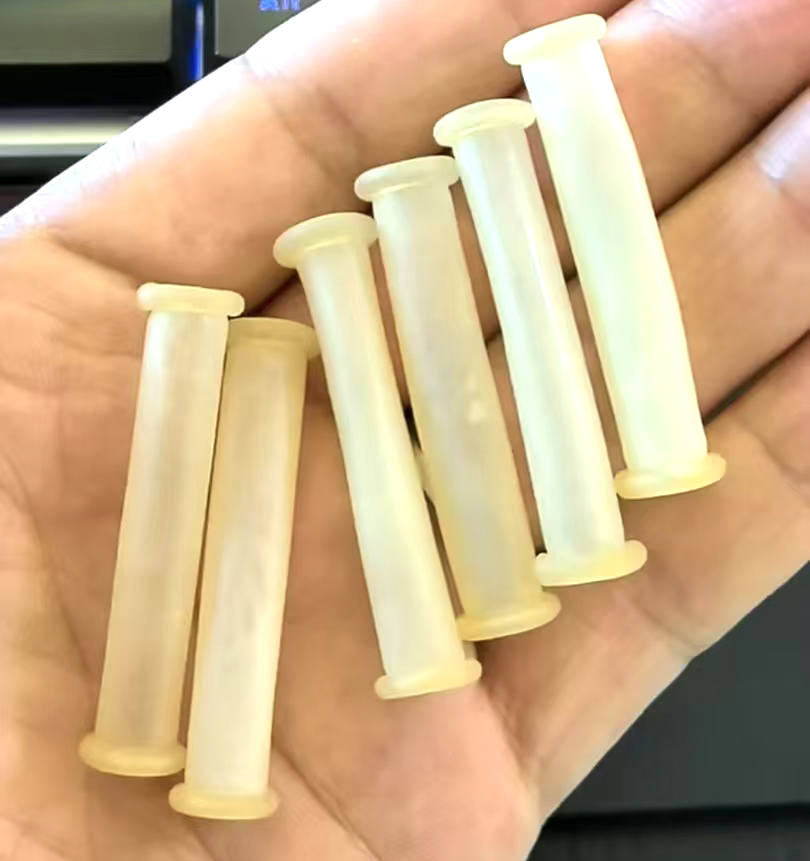
Cigarette and filter testing is not like testing a steel part. The sample is small, soft, and easily affected by handling. If the equipment presses too hard, the result may no longer represent the real product.
This is where latex becomes useful.
Latex has excellent elastic deformation. It can stretch, seal, and return close to its original shape after use. In testing systems, this helps the membrane adapt to small dimensional differences between samples.
For example, not every cigarette or filter has exactly the same surface condition. There may be tiny differences in paper wrapping, filter firmness, moisture content, or diameter. A rigid seal may not adjust well to these differences. A latex membrane can conform more naturally.
Another advantage is soft contact. A good latex membrane can hold or seal around a sample without creating sharp pressure points. This helps reduce deformation caused by the testing device itself.
Latex also provides good air sealing performance. Many cigarette quality tests depend on airflow, suction, or pressure difference. If the membrane leaks, the equipment may show incorrect values. A reliable membrane helps keep the test chamber stable.
Elastic recovery is also important. A membrane used repeatedly must not become loose too quickly. If it loses shape, the seal becomes unstable and the test repeatability drops.
That said, the membrane must be selected carefully. The best choice depends on:
- sample diameter;
- test pressure;
- contact area;
- machine structure;
- replacement frequency;
- cleaning method;
- required service life.
| Latex Property | Benefit in Tobacco Testing |
|---|---|
| Softness | Reduces sample damage |
| Elasticity | Fits small diameter variation |
| Sealing ability | Supports pressure and airflow tests |
| Recovery | Helps repeated use |
| Custom shape | Fits special equipment fixtures |
This is why I often say latex is useful not because it is “soft rubber,” but because it combines softness with controlled function.
What Specifications Matter When Customising Latex Membranes for Tobacco Equipment?
The most important specifications are size, thickness, elasticity, surface finish, and edge design.
When customising latex membranes for tobacco equipment, buyers should confirm diameter, length, wall thickness, tolerance, hardness, surface smoothness, sealing edge design, and compatibility with the testing fixture.
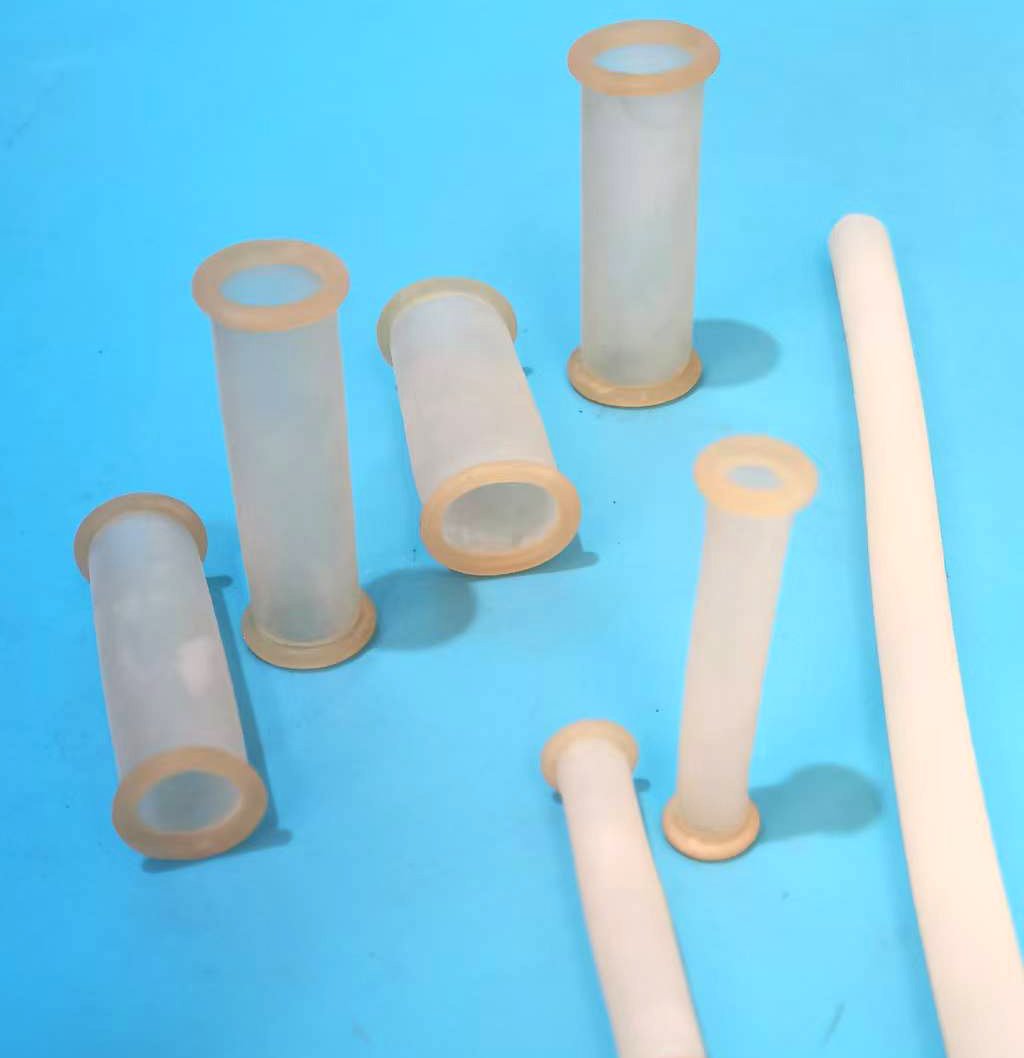
For cigarette testing equipment, small dimensional errors can create big performance problems. A membrane that is only slightly too loose may leak. A membrane that is too tight may tear or create excessive pressure on the sample.
When I work with custom membrane enquiries, I usually ask customers to confirm several details.
1. Diameter
Diameter is the first question. The membrane must match the sample holder, sealing head, chamber, or fixture. If the membrane stretches too much during installation, its wall becomes thinner and weaker. If it is too large, it may wrinkle.
2. Length
Length matters when the membrane must cover a working area or fit over a sleeve. Too short means poor sealing. Too long may create folds.
3. Thickness
Thickness affects softness, strength, and service life.
A thinner membrane may give better sensitivity and softer contact. A thicker membrane may offer better durability and tear resistance. For tobacco testing, the right balance depends on how the membrane contacts the sample and how often it is replaced.
4. Elasticity and recovery
A membrane should stretch smoothly and recover after repeated use. Poor recovery leads to loose fitting, leakage, and unstable readings.
5. Surface finish
The surface should be smooth, clean, and free from pinholes, bubbles, cracks, or rough spots. A rough surface may damage the sample or affect sealing.
6. Edge and shape design
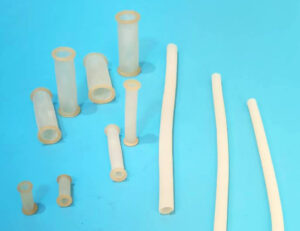
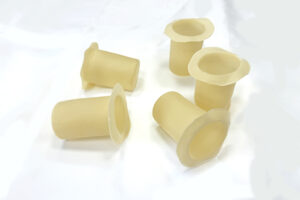
Some equipment may need a simple tube. Others may need:
- a folded edge;
- a flange;
- a closed end;
- a special opening;
- a non-standard sleeve shape.
This is where custom engineering becomes more useful than standard size selection.
A practical specification table may look like this:
| Specification | Why It Matters |
|---|---|
| Inner diameter | Controls fit and sealing |
| Length | Covers the working area |
| Thickness | Balances softness and durability |
| Thickness tolerance | Improves repeatability |
| Surface finish | Reduces leakage and friction |
| Edge design | Helps stable installation |
| Material type | Matches working environment |
At HOWDY, I always prefer customers to send drawings, photos, or sample parts if possible. Even a simple hand sketch can help us understand the real fitting structure.
The goal is simple: make the membrane fit the machine naturally, not force the machine to accept a poor replacement.
Why Do Cigarette Manufacturers Need Custom-Made Latex Membrane Replacements?
Because original membrane parts may be difficult to source, expensive, or not suitable for long-term maintenance.
Cigarette manufacturers need custom-made latex membrane replacements when standard parts are unavailable, equipment is older, original suppliers are slow, or production lines require stable spare parts for testing equipment.
In real factories, maintenance is just as important as purchasing new equipment. A testing device may still work well, but one small membrane part may become worn, cracked, loose, or unavailable.
This creates a common problem: the machine is fine, but the consumable part is hard to buy.
Some cigarette manufacturers face these situations:
- the original equipment supplier no longer provides the membrane;
- replacement parts are expensive;
- delivery time is too long;
- the factory needs a local or alternative source;
- the original membrane design needs improvement;
- the equipment has been modified over time.
In these cases, custom-made latex membranes can help.
A custom replacement can be developed based on:
- old membrane sample;
- equipment drawing;
- fixture dimensions;
- working pressure;
- expected service life;
- installation method.
This does not mean copying blindly. A good membrane specialist should also review why the old membrane failed.
For example:
| Failure Problem | Possible Improvement |
|---|---|
| Frequent tearing | Adjust thickness or diameter |
| Poor sealing | Improve edge design |
| Fast aging | Improve storage or material choice |
| Difficult installation | Modify length or elasticity |
| Unstable readings | Improve thickness consistency |
This is where HOWDY can support cigarette equipment users and maintenance teams.
We have more than 20 years of latex membrane manufacturing experience, and our design team can develop special membranes for non-standard equipment. Our work is B2B and wholesale only, mainly for factories, laboratories, equipment companies, and industrial users.
For tobacco testing and inspection equipment, we can support:
- custom diameter;
- custom length;
- custom thickness;
- smooth surface finish;
- sample-based development;
- drawing-based development;
- small trial production before bulk order.
We do not treat these membranes as simple rubber sleeves. We treat them as functional sealing and testing components.
If your cigarette testing equipment uses a membrane part that is difficult to replace, you can send us the sample size, photos, and application details. We can help evaluate whether a custom latex membrane is possible.
Conclusion
Latex membranes help tobacco testing equipment seal gently, measure consistently, and keep inspection systems running with reliable custom replacements.