In triaxial testing, a membrane’s thickness is more than a number—it’s the difference between accurate readings and misleading results.
Thickness tolerance defines allowable variation in latex membranes. Tight control ensures consistent stress transfer, reliable volume and pore pressure readings, and repeatable test outcomes.
What Is Thickness Tolerance in Latex Membranes?
Thickness tolerance is the acceptable deviation from the nominal wall thickness of a latex membrane.
Precise tolerance ensures uniform hoop stress during tests. Standard membranes may vary slightly, while high-precision membranes reduce variability, critical for reliable triaxial results.
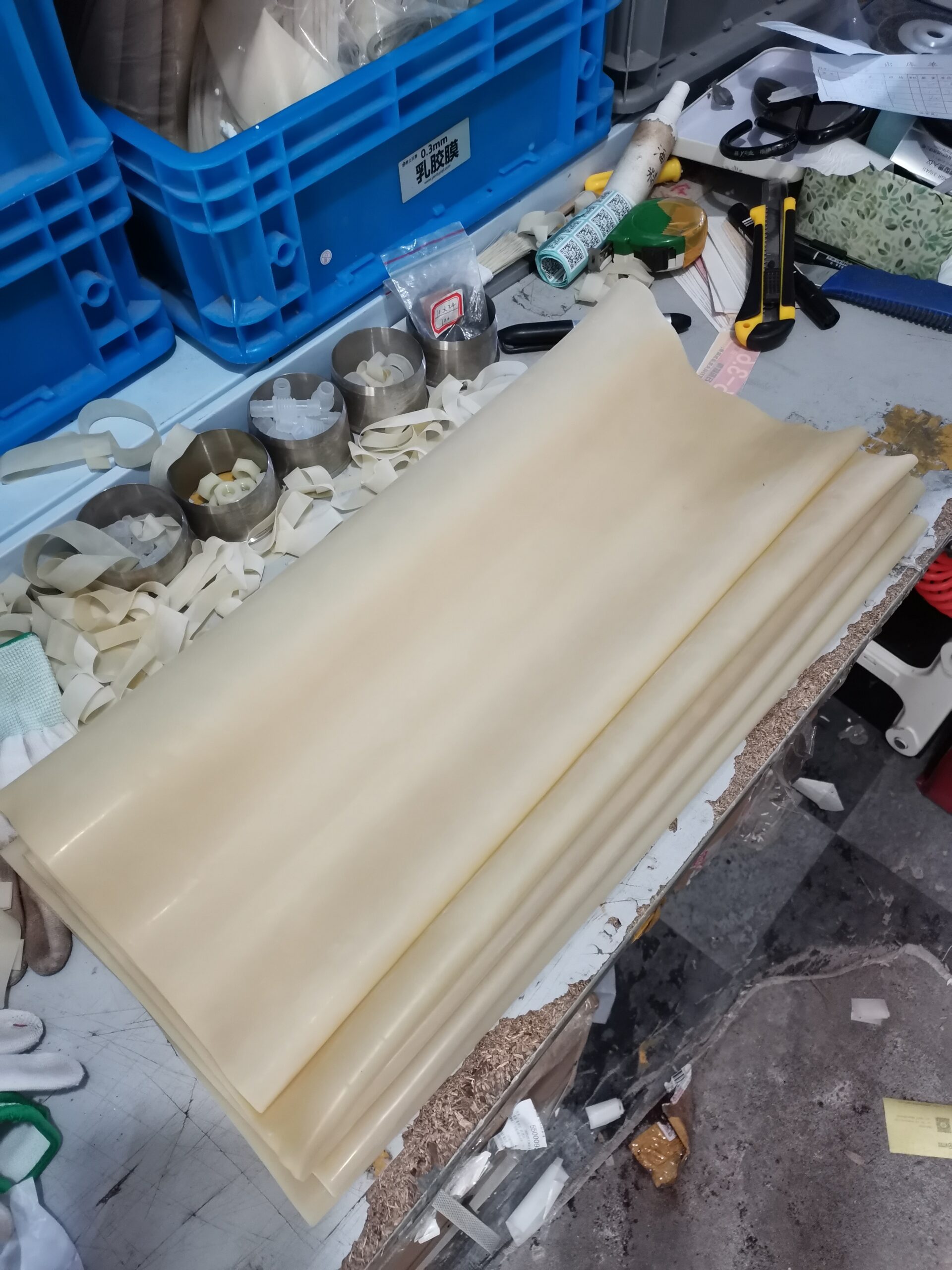
Thickness tolerance is essentially a quality metric: it tells you how much the membrane can deviate from its nominal thickness along its length. In triaxial testing, the hoop stress that a membrane applies to the soil specimen depends directly on the membrane thickness. Variations can create uneven radial restraint, affecting stress distribution and measurement fidelity.
Standard membranes typically have larger tolerance ranges, acceptable for short or low-confining-pressure tests. High-precision membranes, like those produced by specialized suppliers, maintain uniform thickness with narrow deviations—often less than ±0.05 mm even for large diameters. This uniformity minimizes boundary effects, prevents premature tearing, and ensures that stress–strain and volume-change measurements reflect the soil properties, not membrane inconsistencies. Choosing a high-precision membrane becomes particularly critical in large-diameter specimens or long-duration tests, where small thickness variations amplify errors.
How Thickness Variations Affect Triaxial Test Accuracy
Even minor thickness differences can affect confining pressure and measured soil responses.
Uneven membrane thickness may distort hoop stress, shift stress–strain curves, and bias volume change or pore pressure readings, reducing triaxial test accuracy.
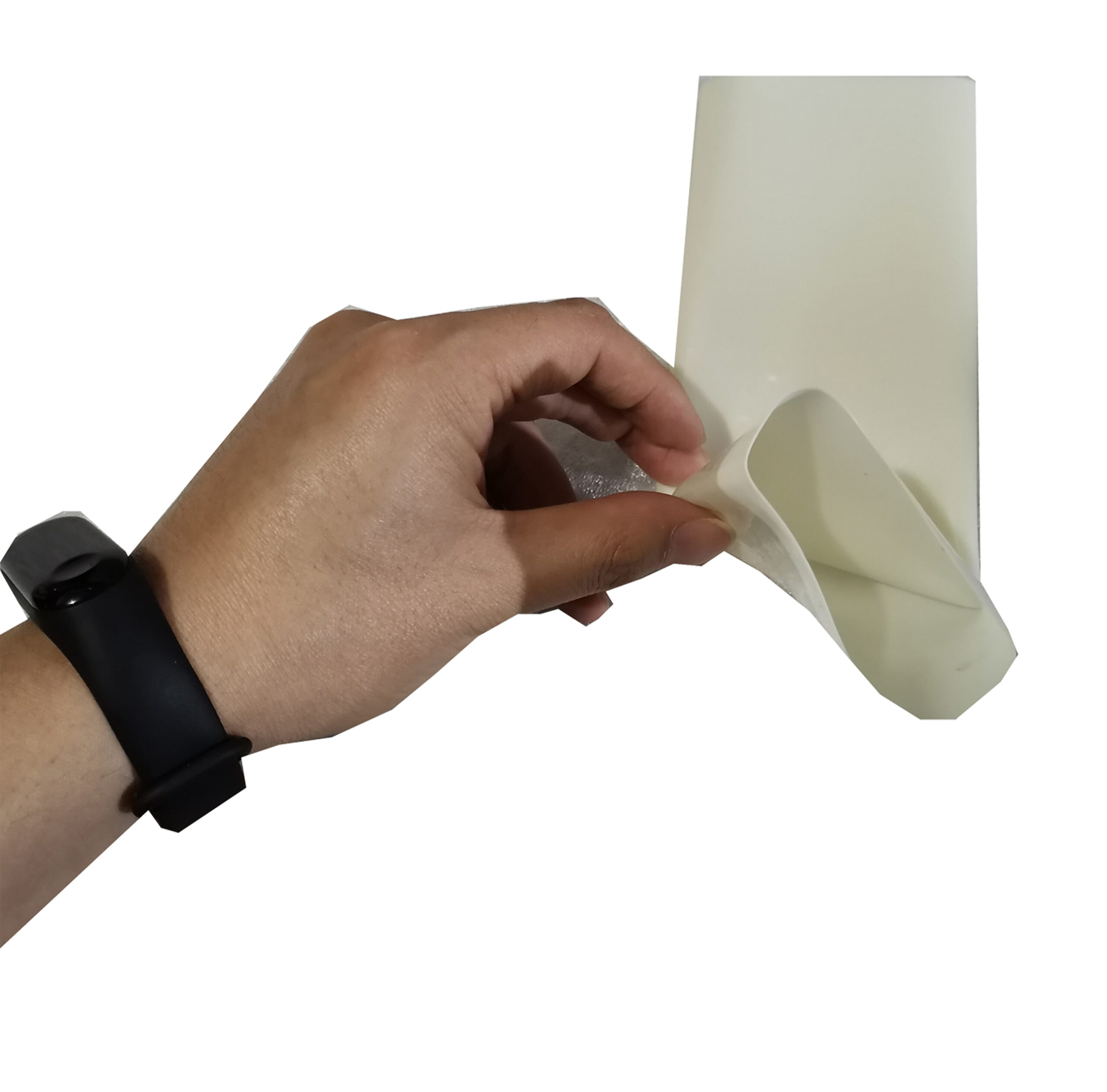
Think of the membrane as a flexible sleeve transferring confining pressure uniformly around the specimen. If one area is thinner, it stretches more under σ₃, providing less restraint, while thicker areas resist more. This uneven restraint can lead to:
- Stress–strain measurement errors: peak deviator stress may appear higher or lower depending on local thickness, altering perceived soil stiffness.
- Volume change deviations: thinner zones can compress more, exaggerating apparent contraction or masking dilation.
- Pore pressure discrepancies: in CU tests, localized variations affect u-excess development, which can compromise effective stress path interpretation.
The cumulative effect is often subtle but becomes significant in precision-demanding applications, like foundation design simulations, high-confining-pressure tests, or comparing multiple specimens. Awareness of membrane thickness variation is essential to distinguish real soil behavior from measurement artifacts.
Manufacturing Challenges in Controlling Membrane Thickness Consistency
Producing membranes with uniform thickness is technically challenging, especially for large sizes.
Factors such as latex dipping process, curing shrinkage, environmental conditions, and raw material consistency influence membrane thickness uniformity.
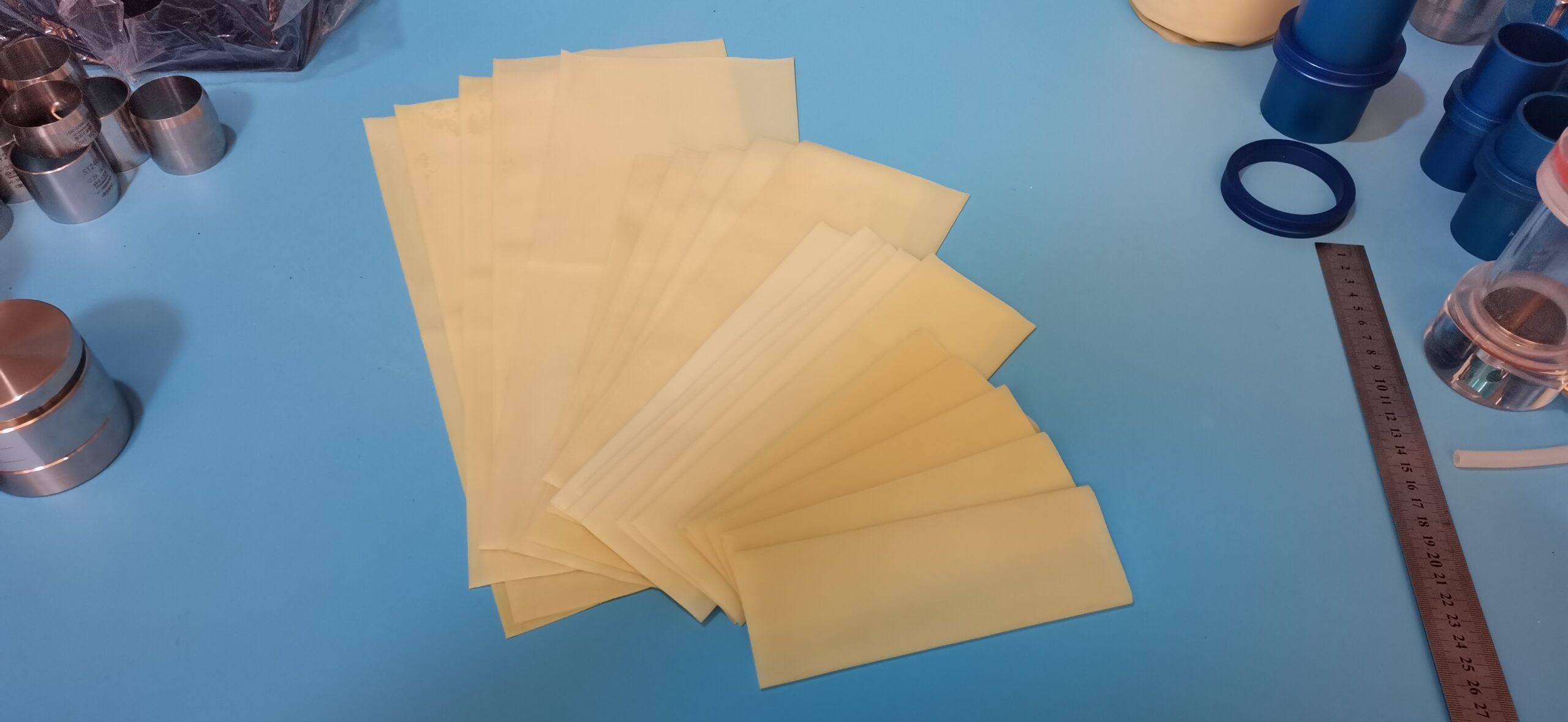
Large latex membranes are produced via a dip-and-cure process. Each dip layer’s thickness, drying rate, and curing temperature affect the final wall thickness. For larger diameters, gravity and sagging during curing can create thickness gradients. Environmental factors such as temperature and humidity fluctuations further complicate uniformity, as latex contraction is sensitive to thermal conditions. Raw material consistency also plays a role: polymer batch-to-batch variation can alter viscosity and shrinkage behavior.
These challenges mean that without careful process control, membranes may end up with variations beyond acceptable tolerance, introducing stress and measurement errors during triaxial tests. High-precision manufacturing requires dedicated mandrels, controlled dipping, constant monitoring, and multiple quality checks across the membrane length. For labs aiming for consistent, repeatable results, selecting membranes from a specialist capable of managing these variables is crucial.
Best Practices for Selecting High-Precision Latex Membranes
Select membranes with proven uniformity, verified by multi-point thickness measurements and quality certifications.
High-precision latex membranes reduce variability in stress transfer and volume measurement, and HOWDY’s manufacturing expertise ensures reliability for critical triaxial testing.
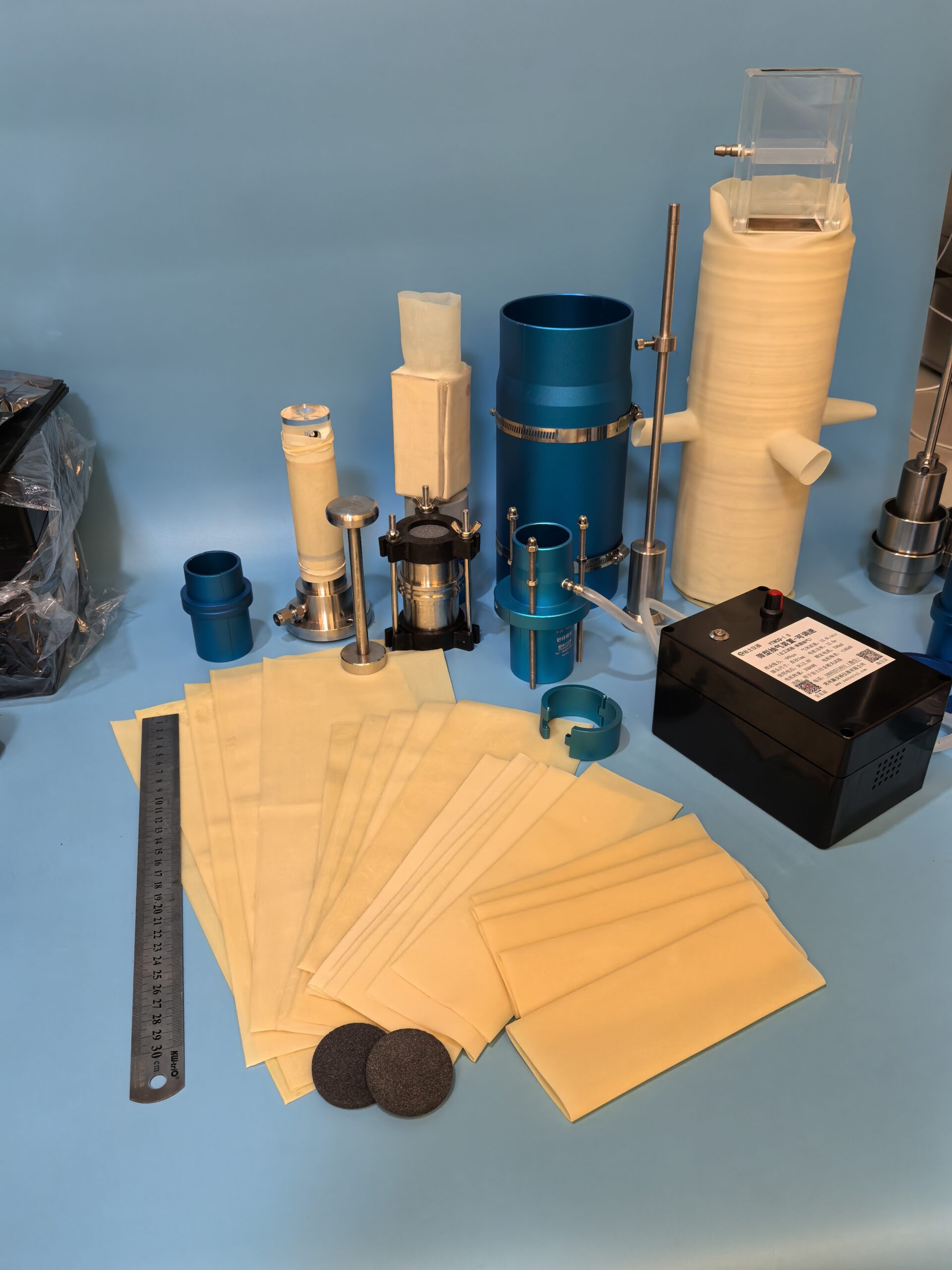
When choosing membranes, consider these best practices:
- Verify thickness uniformity: Request measurement data along the full length of the membrane, especially for large diameters.
- Check quality control protocols: Ensure the manufacturer monitors dipping layers, curing consistency, and environmental conditions.
- Match membrane grade to test requirements: Thicker membranes may be suitable for high σ₃ tests, while thinner membranes improve fidelity in sensitive CD tests.
- Use membranes from specialists: Suppliers like HOWDY provide high-precision latex membranes with tight tolerances, minimizing boundary effects and ensuring repeatable stress–strain and volume-change data.
- Perform pre-test inspections: Mounting tests and low-pressure calibration checks can identify local thickness irregularities before the main triaxial run.
High-quality, consistent membranes are not just a luxury—they are an investment in accurate, reliable soil characterization. HOWDY’s experience in large-diameter, high-precision membranes helps laboratories reduce variability and achieve confidence in their triaxial testing outcomes.
Conclusion
Maintaining strict thickness tolerance in latex membranes is essential for accurate, repeatable triaxial test results. Choosing high-precision membranes and working with specialists like HOWDY ensures consistent, trustworthy data.