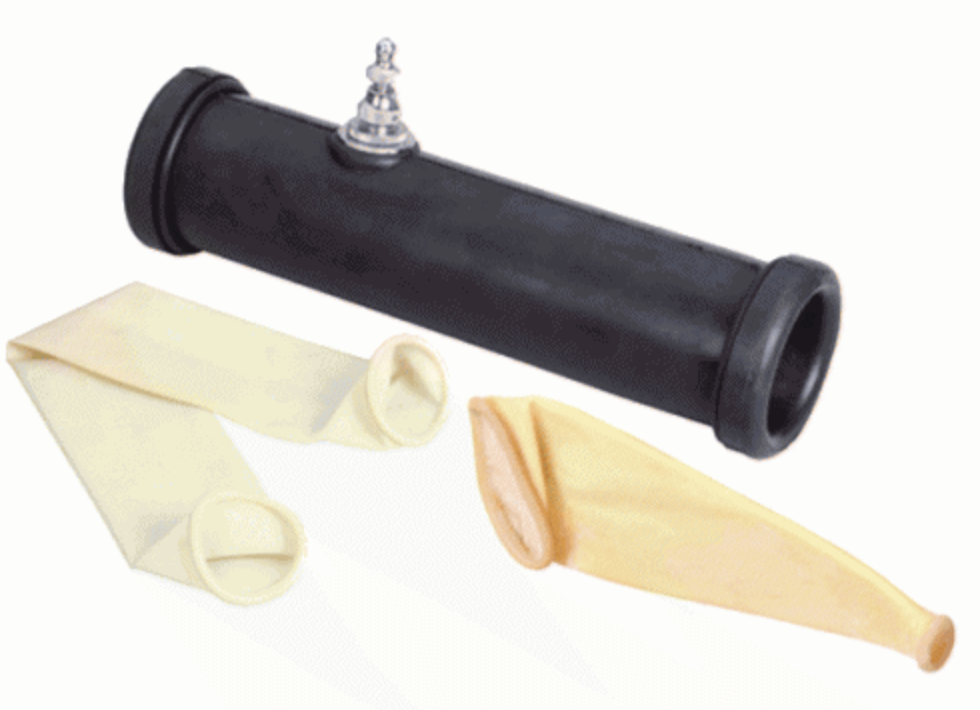
Artificial vagina devices are widely used in animal breeding, semen collection, artificial insemination, and reproductive management. They are commonly applied in equine, bovine, ovine, caprine, and other livestock breeding programs.
Inside this type of collection device, the latex membrane plays a critical role. It is not just a flexible sleeve. It helps create a controlled, comfortable, and hygienic contact surface during semen collection. With good elasticity, softness, sealing performance, and durability, latex membranes can improve device performance and support more consistent semen collection results.
What Is a Latex Membrane Used for in Artificial Vagina Devices?
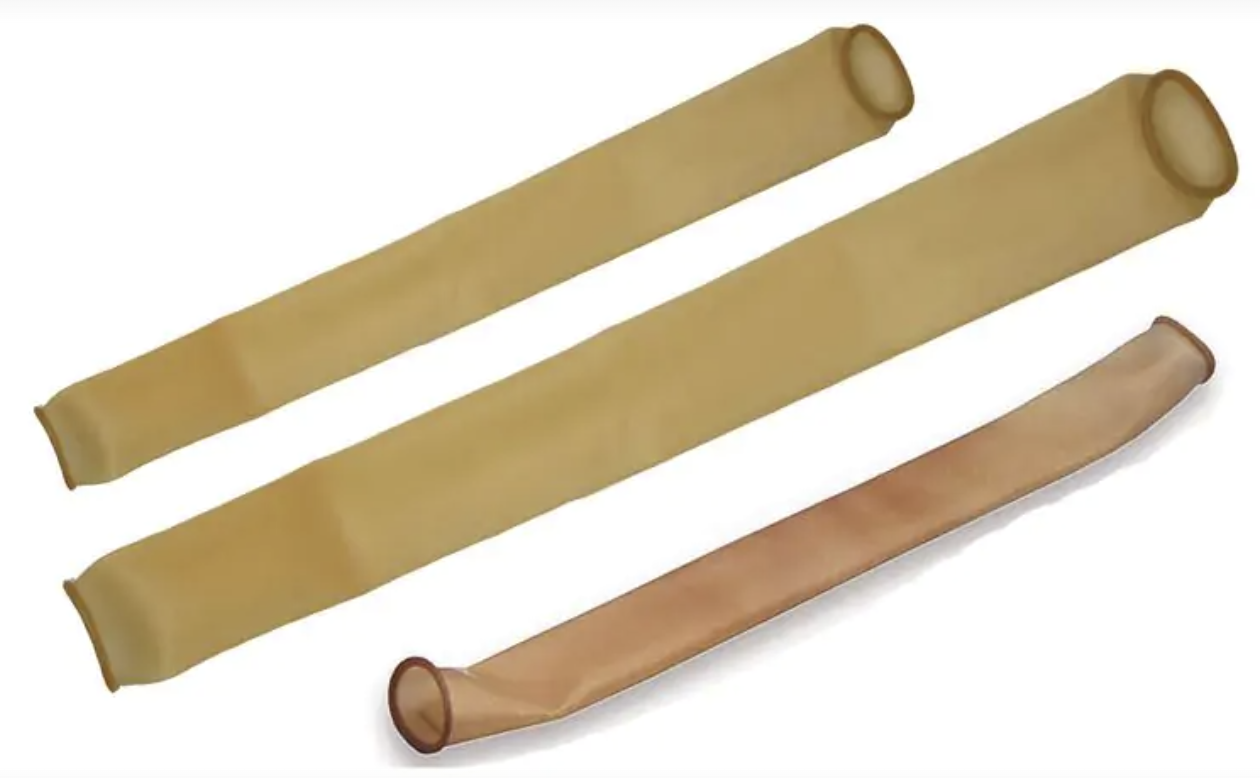
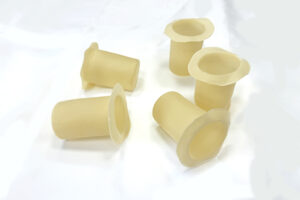
A latex membrane is usually used as the inner sleeve, liner, or sealing component inside an artificial vagina device. It is positioned between the rigid outer housing and the collection area, forming the flexible contact surface during use.
In practical applications, the membrane must withstand stretching, friction, temperature changes, and repeated installation. If the material is too stiff, it may reduce animal comfort. If it is too thin or weak, it may tear, leak, or lose shape during use.
A high-quality latex membrane for artificial vagina devices should provide:
| Requirement | Purpose |
|---|---|
| Good elasticity | Adapts to pressure and size changes |
| Soft touch | Helps improve animal comfort |
| Stable thickness | Supports uniform pressure and sealing |
| Tear resistance | Reduces risk of breakage |
| Smooth surface | Helps reduce friction and supports easier cleaning |
| Custom sizing | Fits different device structures and animal types |
For this reason, latex membranes are an important consumable part in semen collection equipment, especially for professional breeding centers, veterinary suppliers, and artificial insemination laboratories.
Why Latex Is Suitable for Animal Semen Collection Equipment
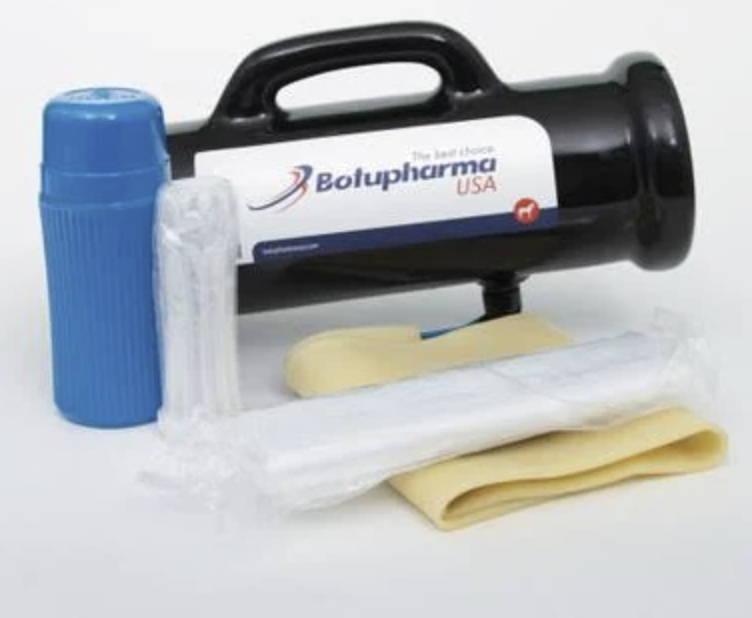
Latex is widely used in flexible membrane applications because it offers a strong balance between softness, stretchability, and recovery. These properties are especially important in artificial vagina devices, where the internal liner must remain flexible while maintaining stable pressure and sealing.
One of the main advantages of latex is its excellent elasticity. The membrane can expand and return to shape during use, helping it adapt to different pressure conditions inside the device.
Another important benefit is sealing performance. Artificial vagina devices often rely on warm water or controlled air pressure to create a suitable internal environment. A reliable latex membrane helps maintain this pressure and reduces leakage risks.
Latex also provides a soft and smooth surface, which can support better animal acceptance during collection. In breeding operations, comfort and consistency are important because stress or poor device design may affect the collection process.
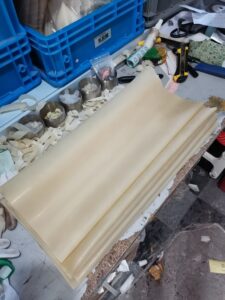
In addition, latex membranes can be manufactured in different diameters, lengths, and thicknesses. This makes them suitable for various artificial vagina designs, including equine, bovine, sheep, goat, and custom veterinary equipment.
How Latex Membrane Quality Affects Collection Performance
The performance of an artificial vagina device depends not only on the outer housing design but also on the quality of the latex membrane inside. A poor-quality membrane may cause leakage, discomfort, unstable pressure, or short service life.
Thickness uniformity is one of the most important quality factors. If the membrane is uneven, thin areas may stretch too much and tear, while thick areas may feel too stiff. Consistent thickness helps maintain stable pressure and more predictable performance.
Surface quality also matters. The membrane should be smooth, clean, and free from pinholes, bubbles, cracks, or visible defects. A rough or defective surface may increase friction, make cleaning more difficult, and reduce product reliability.
Elastic recovery affects service life. A good latex membrane should return close to its original shape after stretching. If the membrane becomes loose, deformed, or cracked after limited use, it may indicate unstable material quality or poor manufacturing control.
Sealing performance is also critical. Any pinhole, weak edge, or poor fit may lead to fluid leakage, temperature loss, or contamination risk. For professional breeding use, this can directly affect workflow efficiency and hygiene control.
How to Choose the Right Latex Membrane for Artificial Vagina Applications
When selecting latex membranes for artificial vagina devices, buyers should consider the device structure, target animal species, working conditions, and required service life.
The most important specifications include diameter, length, thickness, stretchability, surface finish, and edge quality. For standard devices, a regular size may be enough. For special veterinary equipment or customized collection systems, custom-made membranes may be required.
| Selection Factor | What to Check |
|---|---|
| Diameter | Must match the device housing and inner channel |
| Length | Should cover the working area with enough installation allowance |
| Thickness | Affects softness, strength, and durability |
| Elasticity | Supports easier installation and stable use |
| Surface finish | Should be smooth and free from visible defects |
| Pinholes | Should be carefully inspected before use |
| Custom options | Important for non-standard equipment designs |
For breeding centers, veterinary distributors, and artificial insemination equipment manufacturers, it is better to work with a latex membrane supplier that can provide stable quality, consistent sizing, and custom production support.
For large animal applications such as equine and bovine collection devices, stronger membranes with good tear resistance are often preferred. For smaller animals or special device designs, smaller diameters, thinner walls, or longer sleeve-style membranes may be needed.
Conclusion
Latex membranes are a key functional component in artificial vagina devices for animal semen collection. They help provide flexibility, sealing, comfort, hygiene, and stable device performance.
A well-made latex membrane can reduce leakage risks, improve fitting accuracy, support smoother operation, and extend the service life of the collection device. For veterinary equipment manufacturers, breeding laboratories, and animal reproduction suppliers, choosing the right latex membrane is essential for reliable semen collection equipment.
As animal breeding technology continues to develop, high-quality and custom latex membranes will play an increasingly important role in professional reproductive equipment and artificial insemination systems.